


Looking to move cargo by rail across the CIS and China?
Cross-border rail can get complicated at borders, handovers, and documentation points. We coordinate factory pickup, scheduled rail corridors, and last‑mile delivery with one accountable team—so your supply chain stays predictable and cost‑efficient.
- Scheduled container rail (20’/40’/HC) with consolidation and block‑train options
- Smooth border handovers with gauge‑change coordination and transload where required
- Bulk + project cargo support (open wagons, tanks, covered wagons, hoppers, flats)
- Rail waybills + transit documents managed to avoid delays (SMGS/CIM as applicable)
- Real‑time tracking, milestone alerts, and document vault; optional API/EDI updates
Request a Quote
Contact Us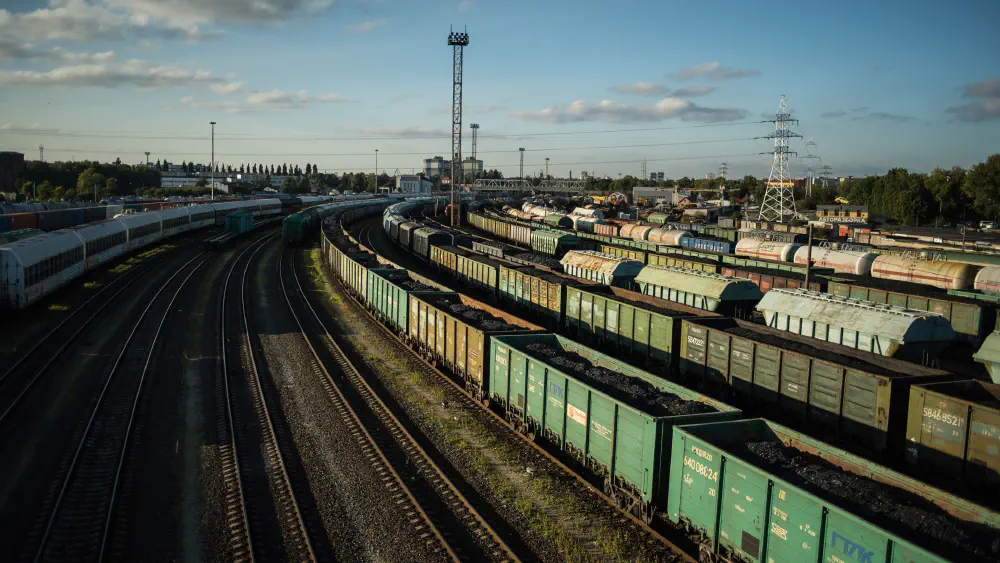
Service overview
Rail transport across China and the CIS is a strong fit for long-distance cargo that needs a balance of cost, speed, and schedule discipline. With fixed timetables and consolidation options, rail helps reduce rollover risk and keeps planning stable for production and inventory teams.
What we handle
Scheduled container rail
- 20’ / 40’ / HC containers on main corridors
- Block‑train options for faster, more reliable transits
- Consolidation options for smaller lots and steady programs
Bulk and project cargo
- Gondola/open wagons for minerals and steel
- Tankers for oil, fuels, and chemicals
- Covered wagons for weather‑sensitive goods
- Hoppers for grains
- Flats for OOG machinery and project cargo
Integrated multimodal
- Rail + road + sea combinations for door‑to‑door and port‑to‑door moves
- One point of contact across modes and handoffs
How it works
- Scope the shipment: origin/destination, cargo type, dims/weight, and target ETD/ETA.
- Select the solution: container rail, bulk, OOG, block‑train, or consolidation—plus first/last‑mile needs.
- Confirm corridor and handovers: border processes, gauge‑change coordination, and transload where required.
- Prepare documents: HS classification, commercial documents, certificates, transit documents, and rail waybills.
- Execute and monitor: milestone updates, exception handling, and POD capture at destination.
Service scope & options
Incoterms supported: EXW, FCA, CPT, CIP, DAP, DDP.
First/last mile (as needed)
- FTL/LTL trucking
- Reefer and flatbed options where required
Value-added services (as agreed)
- Warehousing and cross‑dock
- Labeling and kitting
- Insurance
Where we excel
- China ↔ CIS routes with experienced teams in Kazakhstan, Uzbekistan, and China
- Coordinated border handovers to reduce delays and keep schedules predictable
- Proactive exception management supported by lane‑level KPIs
Popular lanes
- China–Kazakhstan (Khorgos/Altynkol)
- China–Russia
- China–Europe via Dostyk/Alashankou and key CIS hubs (scheduled departures with space protection during peak season)
Documentation & compliance
Rail moves rely on correct paperwork and process timing. We manage:
- HS classification and commercial documents
- Certificates and transit documents (destination-dependent)
- Consignment notes prepared correctly (SMGS/CIM, as applicable)
- Import/transit filings handled to reduce delays
- DG moves supported only where eligible per rail rules
Transit time & scheduling
Transit performance depends on corridor schedules, border handovers, gauge changes, terminal capacity, and cutoffs. We plan around fixed timetables, coordinate transload where required, and escalate exceptions early to protect ETAs.
What affects rail transport pricing across the CIS and China?
- Lane and corridor selection (including border processes and handovers)
- Containerized vs. bulk vs. OOG/project cargo requirements
- Block‑train vs. consolidation approach
- Cargo dimensions/weight and handling needs (including transload where required)
- Surcharges, terminal handling, and documentation scope
- First/last‑mile trucking requirements (FTL/LTL, reefer, flatbed)
- Seasonality and peak‑season space protection
- Incoterms and destination rules affecting scope and charges