
01 / Product identity
A soybean meal supplier must identify the process before the protein
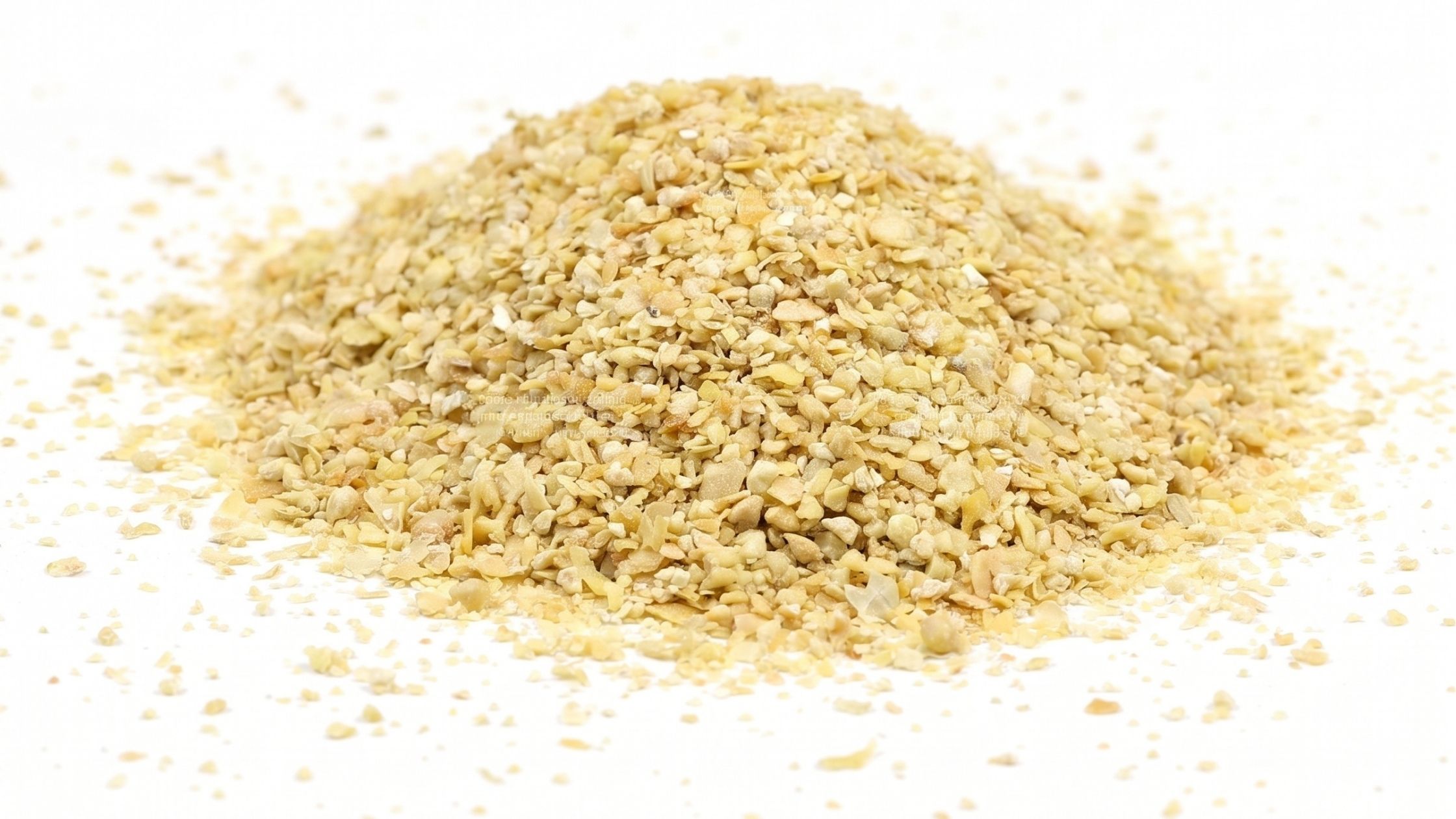
Soybean meal, soya bean meal and soy meal are common names for processed soybean material after oil removal, but the names alone do not define one product. Solvent-extracted meal, expeller material, dehulled meal, hull-retaining meal and full-fat soy have different composition and commercial value.
Protein percentage is important, yet it cannot be compared responsibly without crude fibre, residual oil, moisture basis, ash where required, extraction process and hull status. Zenith Eclipse requests these fields before presenting the cargo as a like-for-like option.
Full-fat soy is not soybean meal, and expeller is not automatically equivalent to solvent-extracted meal. The quotation should name the actual process and product form.
02 / Formulation fit
Buy for the ration, species and production stage
A feed mill does not buy crude protein in isolation. Nutritionists evaluate digestible amino-acid contribution, fibre, energy, processing condition, ingredient variability and the role of soybean meal within the complete formula. The acceptable material may differ for broilers, layers, dairy cattle, beef cattle, young animals or aquaculture species.
Zenith Eclipse acts as an animal feed protein supplier, not as the formulator. The buyer remains responsible for professional ration design, legal compliance and species-specific inclusion decisions. Our role is to make the offered ingredient identity and lot analysis clear enough for that technical evaluation.
Poultry and livestock programmes
Feed mills and integrated farms should state the species, life stage, preferred meal type and the analytical fields used in their formulation and incoming-quality controls.
Aquaculture applications
Aquaculture buyers should assess the meal for the intended species and formula, including fibre, processing evidence, physical quality, contaminants and any destination authorization.
Distribution and institutional buying
Distributors need repeatable product descriptions and storage controls. Institutional procurement teams should include tender specifications, approved laboratories and mandatory feed documents at enquiry stage.
03 / Offer comparison
Put every soybean meal quotation on the same basis
A protein guarantee reported as received cannot be compared directly with a dry-matter figure unless the moisture basis is normalized. The same problem arises when one offer includes maximum fibre and residual oil while another gives only a trade nickname. A disciplined soybean meal trading company makes the analytical basis explicit.
- Extraction process and hull status
- Crude protein minimum with method and basis
- Crude fibre and residual oil limits
- Moisture and ash where required
- Physical form, fines and bulk-density expectations
- Amino-acid data when required for formulation
- Sampling, laboratory and contractual finality
04 / Processing and safety
Review heat-treatment evidence and feed safety separately
Appropriate processing helps manage native soybean antinutritional factors. Urease activity, trypsin-inhibitor activity and protein-solubility measures answer different questions; no single shortcut proves ideal heat treatment in every buying programme. The buyer should specify the methods, units and acceptance limits needed by its technical team.
Feed safety also requires destination-specific controls for contaminants, residues, microbiology and traceability. Origin, non-GMO, organic or identity-preserved descriptions are separate claims that require supporting evidence and, where applicable, segregation.
The Codex Code of Practice on Good Animal Feeding provides a useful international framework for safe production, handling, storage and transport, while the binding contract should state the exact shipment requirements.
FAO / WHO Codex — Code of Practice on Good Animal Feeding (CXC 54-2004)05 / Physical logistics
Keep bulk soybean meal dry, free-flowing and traceable
Meal, pellets and expeller pieces behave differently during loading, transport and discharge. The buyer should state the accepted physical form, screen or fines limits where important, unloading method, storage capacity and daily receiving rate.
Moisture ingress, heating, caking, infestation and foreign odours can damage an otherwise acceptable lot. Clean, dry equipment, suitable liners, weather protection, stock rotation and receiving checks should be built into the shipment plan. Dust also requires the facility's established occupational and combustible-dust controls.
A Kazakhstan soybean meal exporter may coordinate road, rail, container or other suitable movements depending on source and destination. The written offer confirms actual origin, loading point, route, quantity tolerance and Incoterms® responsibility.
06 / Supply programme
Design recurring supply around consumption and storage
Feed businesses often need continuity rather than one isolated cargo. A monthly programme should account for the plant's consumption rate, safety stock, silo or warehouse capacity, border and transit time, unloading constraints and quality-release process.
Zenith Eclipse can review spot or scheduled requirements, but no origin, grade, monthly allocation or transit time is treated as permanent. Each programme is confirmed through current source availability and a written delivery schedule.
- Meal identity and approved specification
- Monthly consumption and call-off pattern
- Minimum and maximum receiving inventory
- Bulk, big-bag or bagged delivery format
- Destination, Incoterm and required lead time
- COA, inspection, feed and origin documents
07 / Conclusion
Conclusion: choose a soybean meal supplier that supports formulation control
A dependable soybean meal supplier identifies the process, hull status, analysis basis, heat-treatment evidence and physical form before discussing final delivery. That clarity helps feed buyers protect formulations, receiving efficiency and repeat-lot consistency.
Zenith Eclipse combines bulk soybean meal supplier, soybean meal exporter and logistics-coordination capabilities for qualified buyers. Send the required specification, consumption plan, destination and delivery window to request current availability, pricing and a written quotation.
08 / Procurement links
Continue your bulk soybean meal enquiry
Soybean Meal Supplier & Exporter
Review process identity, composition, heat-treatment evidence, physical form, documents and delivery options for commercial feed programmes.
RFQRequest a bulk quotation
Send the product form, specification, quantity, packing, destination, Incoterm and required delivery window.
ContactDiscuss the requirement
Contact Zenith Eclipse about a supply program, recurring demand or a destination-specific procurement question.
09 / Questions
Frequently asked questions
Is Zenith Eclipse a soybean meal supplier in Kazakhstan?+
Yes. Zenith Eclipse handles soybean-meal supply enquiries through its Kazakhstan platform for feed mills, farms, aquaculture businesses, distributors and institutional buyers. Origin and lot details are confirmed in each offer.
How can I buy soybean meal in bulk?+
Provide the extraction process or accepted meal type, analytical specification, physical form, quantity, shipment cadence, destination, Incoterm and delivery window for a current commercial review.
What should a bulk soybean meal supplier state in the offer?+
The offer should state process, hull status, protein, fibre, residual oil, moisture basis, physical form, quantity, packing or bulk format, inspection, documents and delivery terms.
Are soybean meal, soya bean meal and soy meal the same?+
They are common market names, but the exact product can differ by extraction process, hull status, heat treatment, composition and form. The contract description and analysis control the purchase.
Can a soybean meal exporter support poultry and aquaculture buyers?+
Yes, subject to a suitable lot and destination requirements. The buyer's nutritionist should approve the ingredient for the species, life stage and complete feed formula.
What affects a Kazakhstan soybean meal exporter price?+
Process type, protein and fibre basis, residual oil, origin, lot availability, volume, form, packing, delivery cadence, route, Incoterm, inspection, documents and payment terms affect pricing.
10 / Verification
Market and verification sources
Market context and technical references in this report are linked below. Commercial availability remains subject to current supplier, processing and lot confirmation.