
Buyer guide
Sourcing Green Lentils: Size, Samples and Shipment Checks
A green lentil enquiry should define the required product type, size range, appearance, cleanliness and packaging. These details help importers, wholesalers and food processors assess a sample against the product they actually need.
For enquiries involving Russian green lentils, Kazakhstan green lentils or other proposed origins, the same purchasing discipline applies: establish product identity, agree measurable acceptance criteria and connect the supporting records to the shipment lot. A country name alone does not describe quality or confirm availability.
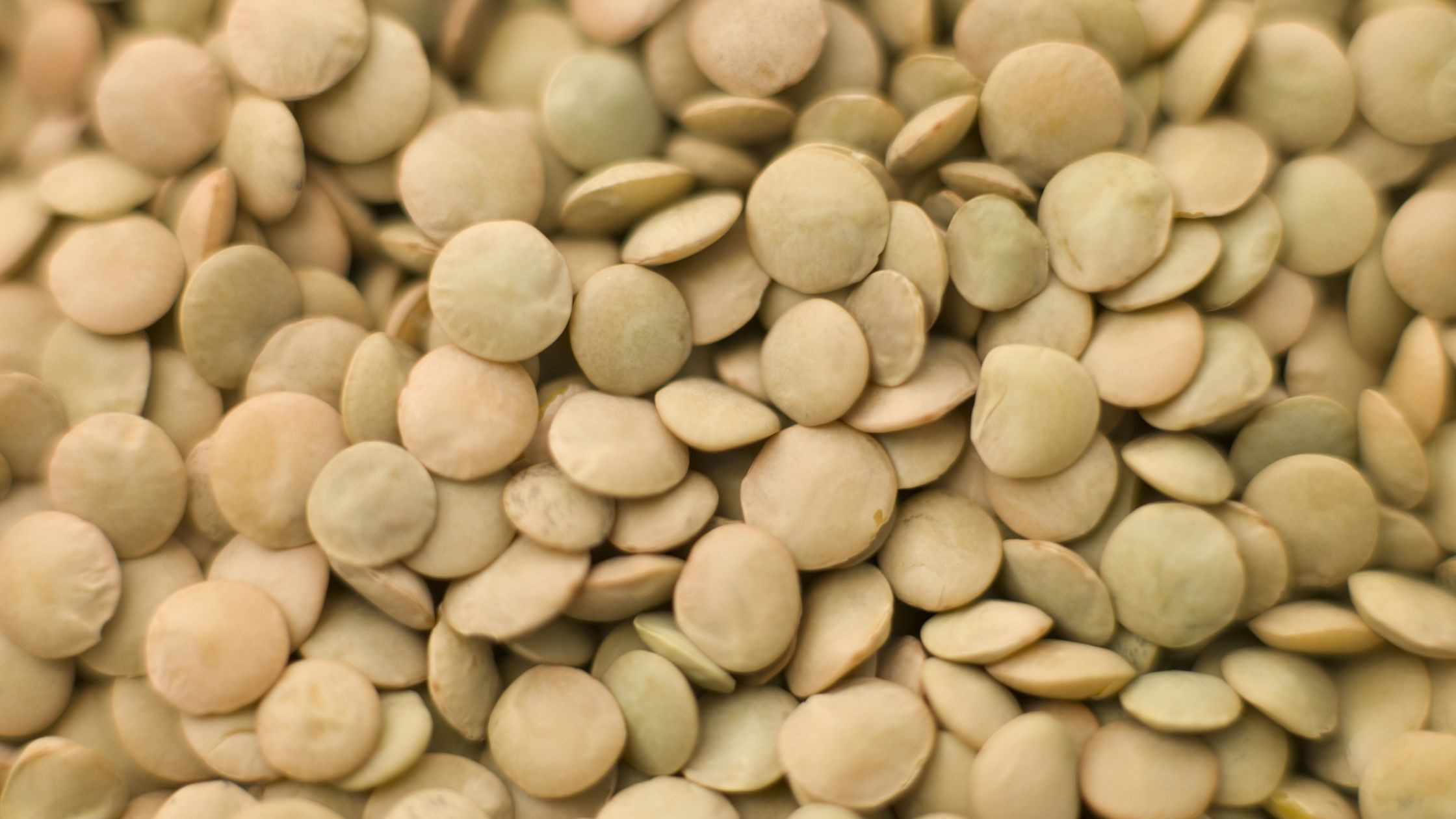
Describe the lentil before selecting a size
Specify whole green lentils, any small-seeded type or buyer-defined size selection, and the intended use. Identify any required variety or commercial type and confirm the supplier’s terminology.
Seed-coat colour, internal seed colour and processing form are separate characteristics. The Canadian Grain Commission's classification guide distinguishes classes using cotyledon colour and describes types through additional characteristics. This Canadian framework illustrates why a colour label needs explanation; it does not automatically govern contracts for Russian or Kazakhstan products.
Our Green Lentils product page provides a starting point for an enquiry. Buyers looking at dehulled or split products should also review Red Lentils and confirm the underlying lentil type, rather than treating processing form as proof of colour class.
Reference: Canadian Grain Commission's classification guide · Green Lentils product page · Red Lentils
Turn “small” or “large” into a measurable requirement
Ask what a size description means: the sieve aperture and shape, the percentage passing or retained, the reporting basis and the method used. A single diameter claim without a distribution or tolerance can leave the parties comparing different products.
For example, the Canadian Grain Commission's sizing procedure uses specified sieves and percentages by weight. Buyers may agree another suitable method, but both the enquiry and offer should identify it. Do not transfer a Canadian size designation to another origin without confirming the contract definition.
Use Small Green Lentils or the relevant buyer-defined size selection page when preparing a more specific request.
Reference: Canadian Grain Commission's sizing procedure · Small Green Lentils · buyer-defined size selection
Russian Green Lentils: What to Confirm Before Purchasing
When evaluating an offer described as Russian green lentils, request the declared country of origin, crop year, full seller identity and a lot or batch reference. Ask who cleaned and packed the product, where it is stored or proposed for loading, and which records support the origin claim.
Connect the sample, specification, analysis and packing details to the offered lot. Renew confirmation if that lot changes. Agree the origin, quality, phytosanitary or other documents required for the destination and contract, and who will provide them.
The address of a trader or loading terminal does not by itself establish where the lentils were grown. Ask for clarification when the origin, seller, packer or shipment information differs between documents.
Build a specification the supplier can answer
Use this worksheet to compare the requested specification with the written offer. The entries are information to agree, not default stock limits.
Also address insect condition, unusual odour and any destination-specific testing. The Canadian grading-factor guide shows how factors such as colour, damage, foreign material and broken lentils are defined within its own system. Agree the applicable definitions for the actual transaction.
| Purchase criterion | Buyer’s requested specification | Supplier’s confirmed specification |
|---|---|---|
| Product type | Whole green lentils; named type if required | Exact description and lot reference |
| Size range | Method, sieve details and size distribution | Measured distribution using the stated method |
| Appearance | Colour criteria and agreed reference sample | Sample reference and declared variation |
| Moisture | Maximum and test method | Lot result, method and test date |
| Foreign material | Defined categories and tolerances | Results with the same definitions |
| Damaged material | Defined damage categories and limits | Reported damage assessment |
| Splits and broken material | Separate definitions and tolerances | Lot-specific assessment |
| Crop year | Required harvest year | Declared harvest year and supporting record |
| Packaging | Material, net weight, marking and handling needs | Proposed pack and marking details |
| Origin documentation | Required origin and supporting documents | Declared origin and documents proposed |
Reference: Canadian grading-factor guide
Agree the sample and the acceptance process
A small sample cannot guarantee the condition of an entire consignment. Agree representative sampling and verification. Where cooking performance matters, specify a repeatable trial and acceptance criteria.
- Identify the lot represented, the sampling date and who collected the sample.
- Assess size, colour and visible condition against written criteria. Use photographs as supporting records, with consistent lighting, rather than the only evidence.
- Label and retain agreed reference samples with their lot numbers and approval dates.
- Agree how shipment sampling, testing and acceptance will be performed, including how discrepancies will be addressed.
- Match the dispatch records and analysis results to the contracted lot before shipment.
Compare offers and plan delivery
Compare proposed Russian, Kazakhstan and other origin offers using the same size definition, quality requirements, crop year, quantity and packaging. Record any exceptions beside the price. Allow for differences in sorting, documentation and delivery conditions.
Confirm the named delivery point, trade term, shipment window and responsibilities for transport and documents. Agree packaging protection, handling and receipt checks. Routes, capacity and timing require individual confirmation.
Before confirming a transaction
This article provides general purchasing information. References to a country, product type or transport option do not constitute an offer, confirmation of current availability or approval of a transaction. Any proposed business is subject to applicable legal, sanctions, banking and destination requirements.
Buyer questions
What should buyers check when comparing Russian green lentil offers?
Confirm origin, seller, crop year, lot identity, size method and quality requirements. Match the sample and supporting documents to that lot, then compare equivalent packaging and delivery terms.
How should a green lentil size requirement be specified?
State the measurement method, sieve details where used, required distribution and permitted variation. A description such as “small green lentils” needs a written definition shared by buyer and supplier.
Which quality documents should accompany a bulk lentil offer?
Request the proposed specification and available lot-specific analysis, with sample identification and test methods. Agree further inspection, origin and destination documents according to the transaction; a generic brochure is not a lot report.
What information is needed for a green lentil quotation?
Provide product type, size, quantity, destination, crop year, quality criteria, packaging, shipment period, preferred delivery terms and company contact details.
Discuss your requirements
Request a Green Lentil Quote
Zenith Eclipse supports B2B commodity enquiries based on the required product specification, quantity, destination and delivery conditions. Any proposed origin, supplier, shipment arrangement and payment structure must be confirmed for the individual transaction. Send your product type, size requirements, reference sample details, quantity and destination to request a quotation.