Integrated commodity supply & global logistics

+971 4 250 0715
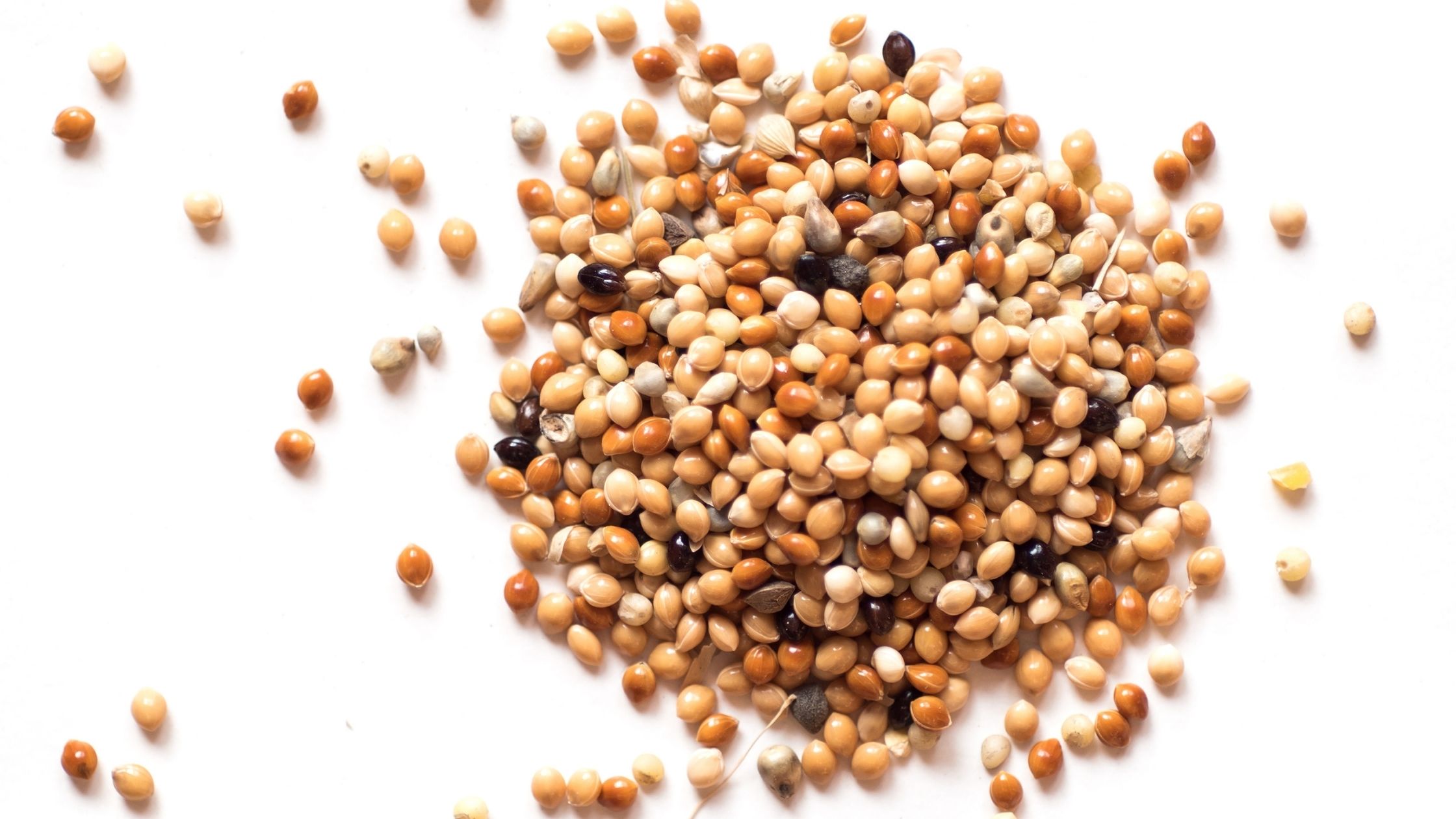
Red and yellow millet grain supplied for food, birdseed and feed applications
GR

Grains · Red & Yellow Millet

Millet Supplier & Exporter

Contract-defined bulk millet supply for food processors, birdseed blenders, feed producers, importers and packers, specified by species or market type, form, color, purity and destination requirements.

Category reference · GR-04 · Page reviewed 28 August 2026
Request a quote for Millet View quality specifications

Product overview

Millet must be identified before it can be compared.

Millet describes a diverse group of small-grained cereals rather than one interchangeable commodity. Zenith Eclipse asks buyers to state the required species or market type, color, whole or dehulled form, intended use and measurable quality limits before a lot is quoted.

Red and yellow are useful market descriptions, but color alone may not identify the species or processing behavior. The written offer confirms the exact product description, crop year and origin where relevant, analytical scope, quantity, packaging, inspection, shipment window, Incoterms® rule and destination documents.

Species and form identifiedPurity and size specifiedFood, birdseed and feed separatedDestination documents coordinated
GR

Applications

Millet selected for the way your operation uses it.

01

Food milling and cereal production

Whole or dehulled millet reviewed against species, cleanliness, grain condition and processing requirements.

02

Bakery, snack and ingredient blends

Millet selected for flour, meal, cereal or blend applications using buyer-defined functional and safety criteria.

03

Birdseed and specialty feed blends

Appropriate millet types supplied under a dedicated birdseed or feed specification and destination rules.

04

Wholesale and downstream packing

Cleaned and graded lots specified by color, size, purity, packaging, labels and traceability needs.

Contract specification

Color is not a complete millet specification.

The contract should identify the exact species or accepted market designation, botanical name when necessary, processing form, end use and measurable acceptance criteria. A standard for pearl millet must not be presented as a universal standard for every millet species.

Species / market type
Contract defined
Colour / variety
Red, yellow or as agreed
Form
Whole, cleaned or dehulled
Intended use
Food, birdseed or feed
Crop year & origin
Stated in the offer
Purity
Contract minimum
Moisture
Contract maximum
Grain size / sieve
When required
Foreign matter & other grains
Contract limits
Broken, damaged & discoloured grain
Contract limits
Residues, mycotoxins & contaminants
End-use and destination requirements
01

Quality control & handling

Keep species, grade and lot identity intact.

Quality is assessed lot by lot using representative sampling and agreed methods. Depending on the order, verification can cover species identity, color, form, purity, moisture, grain size, other grains, mineral matter, broken or damaged kernels, odour, infestation condition and destination safety parameters.

Clean, dry and cargo-compatible storage and transport help protect the grain from moisture, condensation, pests, chemicals and foreign odours. Species, grades and any documented claim status should remain segregated through loading and delivery.

  • Species and market description confirmed
  • Cleaning and sieve requirements agreed
  • Lot and seal references recorded
  • Independent inspection coordinated when requested
02

Export documentation

Confirm the millet document route by destination.

Food, birdseed and feed shipments may follow different import and plant-health requirements. The buyer's destination, intended use and import permit conditions are checked before the final document list is agreed.

The contract may require a commercial invoice, packing list, transport document, certificate of origin, certificate of analysis, quality or weight inspection certificate, phytosanitary certificate where required, treatment record when treatment occurs, sanitary or feed records, insurance document and evidence for any specifically contracted claim.

03

Packaging & order formats

Package millet for size, form and route.

Suitable sacks, lined packaging, flexible intermediate bulk containers, containerized bulk or other bulk formats can be reviewed according to the species, form, end use, volume and route. The written quotation confirms operational availability.

Package material, food-contact suitability where applicable, liner, net weight, closure, palletization, lot marks, labels, tamper evidence and moisture-protection measures are defined before packing or loading.

04

Logistics & Incoterms

Connect small-grain handling to the delivery term.

Transport units are checked for cleanliness, dryness, structural condition, incompatible previous cargo, odour and moisture risk. Liners, dunnage, sealing and loading method are selected for the product form and route where required.

The quotation states the Incoterms® 2020 rule and exact named port or place. Shipment window, transport mode, transshipment, inspection point, insurance and documentary responsibilities are agreed with the product specification.

What we supply

Millet types and forms

Availability varies by species, crop, origin and processing position. Color names do not replace species identity; the written offer provides the controlling description.

01

Yellow millet

A market color description for food, birdseed or feed orders; species and exact specification are confirmed before sale.

02

Red millet

A red-coloured millet requested by color, species or accepted market name, grain size, purity and intended use.

03

Proso millet

A distinct millet species that may be used for food, feed or birdseed where the offered lot meets the buyer's requirements.

04

Pearl millet

A separate millet species available subject to confirmation; Codex CXS 169 applies only within its defined pearl-millet scope.

05

Whole or dehulled millet

The form, processing status, kernel condition and food or feed suitability are written into the contract.

Commercial planning

What affects the delivered Millet price?

A useful comparison requires the same product, scope, term and shipment period.

  1. 01Species, market type, colour and processing form
  2. 02Food, birdseed or feed specification
  3. 03Purity, grain size, damage and admixture limits
  4. 04Safety testing and destination compliance scope
  5. 05Crop position, season and verified origin
  6. 06Cleaning, dehulling, sorting and segregation
  7. 07Volume, packaging, shipment window and inspection
  8. 08Freight lane, Incoterms® rule and destination documents

Why Zenith Eclipse

Buying detail that reduces assumptions.

01

Identity before price

Species, market type, color, form and intended use are confirmed before comparison.

02

Measurable cleanliness

Purity, size, foreign matter and defect limits are written into the specification.

03

Use-stream separation

Food, birdseed and feed requirements are treated as separate commercial scopes.

04

Claim discipline

Origin, organic, non-GM or gluten-control claims are stated only with agreed supporting evidence.

05

Lot-linked verification

Sampling, analysis and inspection refer to the offered lot or shipment.

06

Route-ready handling

Packaging, liners, loading and documents are reviewed against the destination.

Millet procurement checklist

Send a comparable RFQ.

Complete details help the sales and logistics teams return a usable commercial offer.

  • Exact species or accepted market type
  • Colour, whole or dehulled form and intended use
  • Purity, size, defect and safety limits
  • Sampling, test methods and acceptance rules
  • Quantity, packaging and shipment schedule
  • Destination import and phytosanitary requirements
  • Incoterms® 2020 rule and named place
  • Inspection, certification and document matrix
Send your Millet requirements

Millet supplier FAQs

Answers procurement teams need before booking.

01Which millet types can Zenith Eclipse supply?+

Red, yellow, proso, pearl, whole and dehulled millet can be reviewed subject to current species, origin, crop and processing availability. The written offer confirms the exact product.

02Do red and yellow identify the millet species?+

Not always. Color can be a market description, so the RFQ should also state the species, botanical name or accepted market designation where identity matters.

03Is all millet suitable for food use?+

No. Food suitability is lot- and contract-specific and depends on species, form, quality, safety testing, handling and destination requirements.

04Can millet be supplied for birdseed or feed?+

Yes, where available and compliant. Birdseed and feed orders require their own specification, quality limits, destination rules and documentation.

05Can organic, non-GM or gluten-controlled millet be supplied?+

Such status is never assumed. It can be quoted only for verified lots with the required supply-chain controls, testing and documents accepted by the buyer and destination.

06What is the minimum order quantity for millet?+

MOQ depends on species, origin, cleaning or dehulling, packing and route. Send the target quantity and schedule so a feasible shipment size can be confirmed.

07Which export documents accompany millet?+

Documents depend on the origin, destination, intended use and contract. Commercial, origin, phytosanitary, treatment, analytical and transport records are agreed before shipment.

08What information is needed for a millet quote?+

Send the species or market type, form, intended use, specification, quantity, packaging, destination, Incoterms® rule, shipment window and required documents.

Internal buying routes

Plan the product and movement together.

Continue through the relevant Zenith Eclipse product or logistics page.