Integrated commodity supply & global logistics

+971 4 250 0715
Whole coriander seeds supplied for spice processing, food manufacturing and distillation
OS

Oilseeds & Specialty Seeds · Coriander Seeds

Coriander Seed Supplier & Exporter

Whole, screened, split, cracked or ground coriander for spice processors, food manufacturers, packers and distillation buyers, quoted by identity, form, aroma, cleanliness, testing, packing and destination.

Category reference · OS-03 · Page reviewed 28 August 2026
Request a quote for Coriander View quality specifications

Product overview

Identity, aroma and cleanliness need separate evidence.

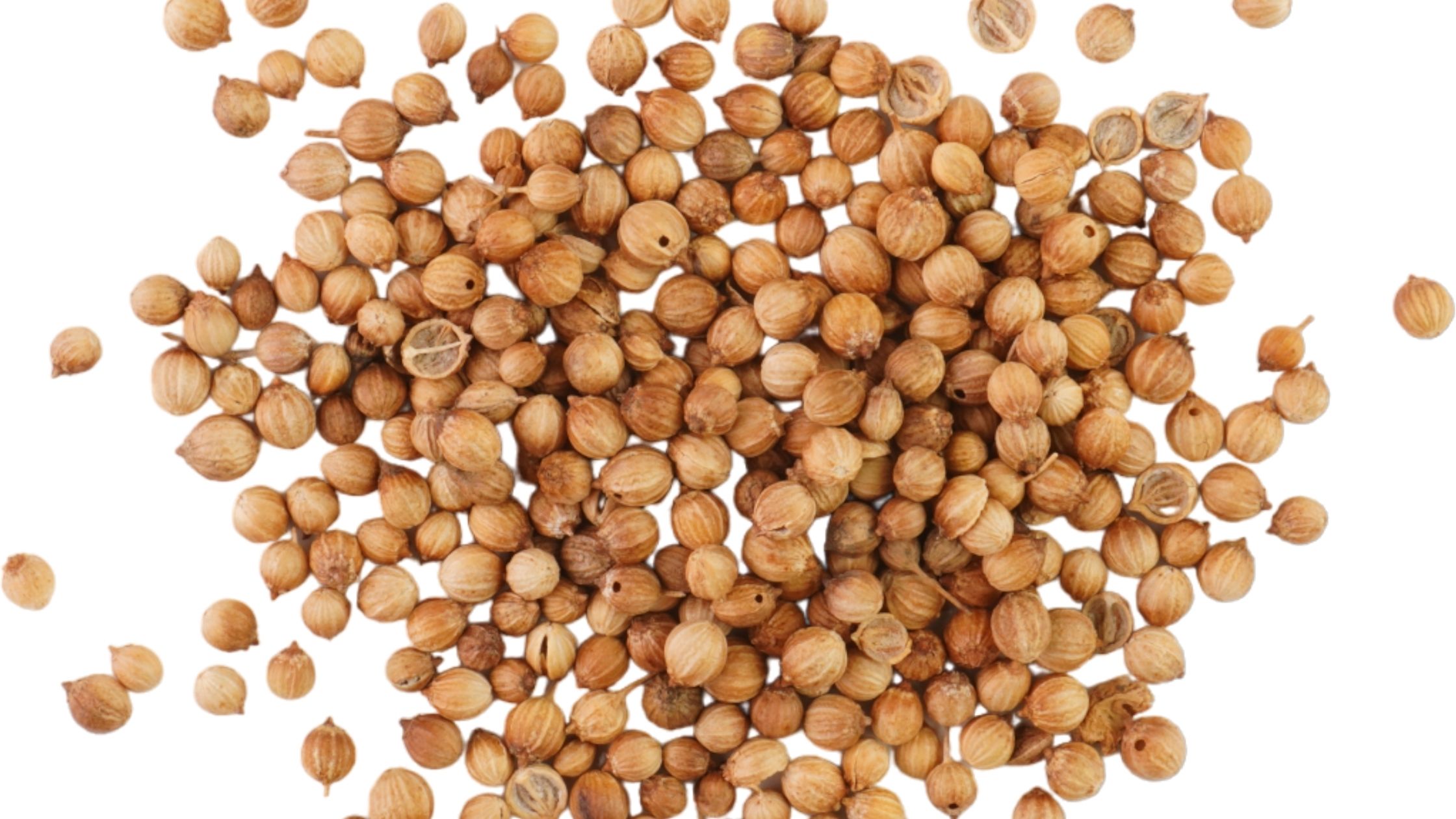
Zenith Eclipse supplies coriander seed to spice houses, millers, food manufacturers, packers, importers and essential-oil processors. Commercial coriander seed is the dried mature fruit of Coriandrum sativum; it is not fresh coriander or cilantro leaf, and whole, split, cracked and ground forms require different controls.

The written quotation identifies the form and particle profile, food or distillation use, grade or private specification, sensory and analytical criteria, quantity, packing, shipment period, Incoterms® rule, inspection and documents. Origin, harvest year, treatment, certification, volatile-oil result and availability are confirmed only for the offered lot.

Botanical identity definedForm and particle size controlledAroma and cleanliness separatedDestination documents coordinated
OS

Applications

Coriander selected for the way your operation uses it.

01

Spice blends and seasonings

Whole, cracked or ground coriander specified for aroma, flavour, particle profile, hygiene and downstream formulation.

02

Pickling, bakery and food processing

Whole or cracked seed reviewed for visible form, staged flavour release, milling and food-safety requirements.

03

Retail and industrial packing

Material selected by form, cleanliness, sensory condition, label declarations and destination-market rules.

04

Essential-oil distillation feedstock

Seed evaluated under a separate feedstock specification for volatile oil, moisture, sample basis and buyer-defined processing tests.

Contract specification

Aroma does not prove identity or cleanliness.

Volatile-oil content measures an aromatic fraction under a stated method; it does not by itself establish botanical identity, hygienic condition or commercial distillation yield. Whole, split, cracked and ground coriander should be contracted as separate styles with appropriate physical and analytical criteria.

Product identity
Coriandrum sativum dried mature fruit
Form / style
Whole, split, cracked or ground
Particle profile
Sieve method and tolerances when required
Sensory condition
Colour, odour and flavour as agreed
Moisture
Contract maximum; method stated
Total & acid-insoluble ash
When required; method and basis stated
Volatile oil
Contract minimum when required; basis stated
Extraneous & foreign matter
Definitions and limits agreed
Damage, mould & insect-related defects
Contract limits
Microbiology, residues & contaminants
Food-use and destination requirements
Treatment & additive status
Declared when applicable
01

Quality control & handling

Protect aroma while controlling physical and hygienic quality.

Representative lot sampling and the signed specification determine acceptance. Checks can cover botanical identity, form, sensory condition, moisture, ash, volatile oil, extraneous and foreign matter, damaged or discoloured fruit, mould evidence, insect-related defects and destination safety tests.

Whole, split, cracked and ground material remain separately identified. Dry storage, protection from heat, light, pests, water and strong odours help preserve condition. Ground material requires greater reliance on upstream traceability, analytical verification and suitable barrier packaging.

  • Style and particle limits recorded
  • Analytical methods and reporting basis agreed
  • Treatment and additive status declared
  • Representative or retained sample used when contracted
02

Export documentation

Define the methods behind every reported result.

The document matrix should identify each result, method, reporting basis, sampling rule and issuing party. Phytosanitary, health, treatment and destination statements are included only when legally required and operationally available.

The contracted set may include a commercial invoice, packing list, transport document, certificate of origin, lot-specific certificate of analysis, traceability statement, quality or independent inspection certificate, microbiological, residue or contaminant reports, phytosanitary certificate and treatment or additive declaration.

03

Packaging & order formats

Use a barrier suited to the coriander form.

Whole and cut forms can be reviewed in clean food-contact lined sacks or other protective formats; ground product may need a stronger moisture- and odour-barrier configuration. Feasible options are confirmed for the lot and route.

The contract states material, liner, net weight, tolerance, closure, lot marks, product style, label language, palletization and loading plan. Open-pack and shelf-life controls are agreed separately for whole and processed forms.

04

Logistics & Incoterms

Protect the spice from moisture, odour and contamination.

Transport units are checked for cleanliness, dryness, structural condition, previous-cargo compatibility, pest evidence, foreign odour and water-ingress risk. Lots remain sealed, coded and traceable through handling and transshipment.

The quotation specifies the Incoterms® 2020 rule and exact named place or port, shipment period, mode, inspection point, treatment requirements, insurance responsibility and document timing.

What we supply

Coriander seed styles

Each form receives its own particle, analytical, hygiene and packaging specification. Availability and processing scope are confirmed per quotation.

01

Whole coriander seed

Intact dried mature fruits specified by identity, appearance, sensory quality, cleanliness and food-use controls.

02

Screened whole seed

Whole coriander selected to an agreed sieve distribution for packing, pickling or downstream processing.

03

Split coriander seed

Fruits separated into approximately two halves, with whole, broken and fines tolerances agreed.

04

Cracked or coarse-cut coriander

Multiple pieces specified by upper and lower sieve limits, fines, sensory condition and processing status.

05

Ground coriander

Powder quoted only when available, with particle size, additive status, microbiology and barrier packaging defined.

Commercial planning

What affects the delivered Coriander price?

A useful comparison requires the same product, scope, term and shipment period.

  1. 01Whole, split, cracked or ground form
  2. 02Sieve or particle-size requirements
  3. 03Cleanliness, damage and sensory tolerances
  4. 04Moisture, ash and volatile-oil targets
  5. 05Microbial-reduction process and testing scope
  6. 06Residue, contaminant and document requirements
  7. 07Quantity, packaging, labels and shipment period
  8. 08Origin basis, freight lane and Incoterms® scope

Why Zenith Eclipse

Buying detail that reduces assumptions.

01

Botanical clarity

Coriander fruit is kept distinct from fresh leaf and unrelated product forms.

02

Form-specific contracts

Whole, split, cracked and ground material receive separate acceptance fields.

03

Three quality lenses

Identity, volatile oil and physical cleanliness are evaluated independently.

04

Fit-for-use testing

The analytical panel matches food, milling, packing or distillation requirements.

05

Lot-linked documents

Methods, results, treatment and traceability refer to the nominated lot.

06

Protected delivery

Packing and transport controls address moisture, aroma and contamination risks.

Coriander procurement checklist

Send a comparable RFQ.

Complete details help the sales and logistics teams return a usable commercial offer.

  • Food, milling, packing or distillation use
  • Whole, split, cracked or ground form
  • Particle profile and broken-material tolerance
  • Sensory, moisture, ash and volatile-oil criteria
  • Cleanliness, microbiology and contaminant limits
  • Quantity, packing, marks and shipment period
  • Destination, Incoterms® rule and named place
  • Treatment, inspection, certificates and documents
Send your Coriander requirements

Coriander supplier FAQs

Answers procurement teams need before booking.

01What is commercially called coriander seed?+

It is the dried mature fruit of Coriandrum sativum, commonly traded as coriander seed. It is not the same product as fresh cilantro or coriander leaf.

02What is the difference between whole, split, cracked and ground coriander?+

Whole material retains the intact fruit, split material is approximately two halves, cracked material has multiple pieces, and ground material is powder. The contract should define each style and its particle tolerances.

03Can one specification cover whole seed and powder?+

No. Powder needs a particle-size and additive specification, while visual defect measures for whole seed may not transfer meaningfully. They should be treated as separate items.

04Can food coriander be used for essential-oil distillation?+

A food lot may be evaluated as feedstock, but food compliance does not guarantee oil yield or composition. Volatile oil, moisture, sampling and any pilot test should be specified separately.

05What does a volatile-oil test show?+

It measures the aromatic volatile fraction under a stated method and basis. It does not alone prove identity, cleanliness, finished-oil composition or commercial distillation yield.

06Can microbial reduction be requested?+

Yes, when operationally available. The process, validation basis, post-treatment handling, target tests and destination acceptance should be agreed; treatment does not justify a blanket sterile claim.

07Which documents accompany coriander seed?+

The contract can require a lot COA, origin and traceability, treatment or additive declarations, laboratory reports and commercial, plant-health or transport documents as applicable.

08What information is needed for a coriander quote?+

Provide the use, form, particle profile, quality limits, tests, quantity, packing, destination, shipment period, Incoterm and required documents.

Internal buying routes

Plan the product and movement together.

Continue through the relevant Zenith Eclipse product or logistics page.