Integrated commodity supply & global logistics

+971 4 250 0715
Kabuli and Desi chickpeas supplied by type, calibration and quality specification
PL

Pulses & Lentils · Kabuli & Desi Chickpeas

Chickpeas Supplier & Exporter

Contract supply of Kabuli and Desi chickpeas for processors, wholesalers, distributors, packers and food-service buyers, defined by type, presentation, calibration method, quality limits and destination.

Category reference · PL-03 · Page reviewed 28 August 2026
Request a quote for Chickpeas View quality specifications

Product overview

Specify type, calibration and end-use performance separately.

Zenith Eclipse supplies chickpeas for retail packing, canning, hummus, roasting, food service, dal and flour processing. Kabuli and Desi are separate commercial classes with different appearance and processing uses, while whole, dehulled and split forms require their own specifications.

Every quotation states the type and presentation, exact size convention, grade or private specification, quality limits, optional processing tests, quantity, packing, shipment period, Incoterms® rule, inspection and documents. Origin, crop year, grade and availability are confirmed only for the nominated lot.

Kabuli and Desi separatedCalibration method statedProcessing tests when requiredLot and document traceability
PL

Applications

Chickpeas selected for the way your operation uses it.

01

Canning and prepared foods

Kabuli or suitable chickpeas reviewed for calibration, hydration, cooking, firmness and visual quality under agreed test conditions.

02

Hummus and purée processing

Lots specified for type, size, hydration, cooking behaviour, flavour and finished-texture requirements.

03

Dal, flour and ingredient milling

Desi, dehulled or split chickpeas reviewed for processing yield, cleanliness and buyer-defined particle applications.

04

Retail, food service and roasting

Whole chickpeas selected for uniform appearance, defect limits, packing presentation and the intended preparation method.

Contract specification

A millimetre size and a seed count are different measurements.

Chickpea size should be stated as a sieve aperture with a retained percentage, or as an exact seed count per defined mass. These conventions are not automatically interchangeable: a lower count means a larger average seed only when both counts use the same unit and method. Grade and calibration must also remain separate.

Type / class
Kabuli or Desi
Presentation
Whole, dehulled or split when offered
Calibration method
Sieve retention or count per stated mass
Grade basis
Named official grade or private specification
Moisture
Contract maximum; method stated
Foreign material & mineral matter
Contract limits
Mechanical damage & splits
Contract limits
Green, shrivelled & discoloured seeds
Contract limits
Insect, heat & other damage
Contract limits
Hydration / cooking / canning tests
When required; method agreed
Residues, contaminants & microbiology
Destination and end-use requirements
01

Quality control & handling

Verify physical quality and processing behaviour independently.

A representative lot sample is assessed against the signed contract. Inspection can cover colour, odour, moisture, calibration, foreign material, stones, other chickpea classes, mechanical damage, splits, green or shrivelled seeds, infestation and destination safety parameters.

Hydration, cooking time, firmness or canning performance are optional lot tests rather than implied guarantees. When required, the contract states sample mass, water, time, temperature, equipment, endpoint and reporting method so results can be compared fairly.

  • Calibration method and unit recorded
  • Representative or approved sample used
  • Clean, dry and segregated handling
  • Sealed counter-sample retained when agreed
02

Export documentation

Match each certificate to its purpose and issuer.

Commercial, quality, plant-health and destination records are listed before shipment. A phytosanitary certificate is included only when the importing authority requires it, while treatment, residue, contaminant and microbiological reports are supplied only when applicable and contracted.

The agreed set may include a commercial invoice, packing list, bill of lading or other transport document, certificate of origin, lot analysis, grade or quality certificate, weight certificate, independent inspection report, phytosanitary certificate, treatment certificate, insurance document and import-permit declarations.

03

Packaging & order formats

Protect calibrated chickpeas from damage and moisture.

Food-suitable sacks, lined bags, flexible intermediate bulk containers or suitable bulk formats can be reviewed according to product type, presentation, volume and route. Availability is confirmed within the written offer.

Package material, liner, net weight, weight tolerance, closure, lot marks, label language and palletization are agreed. The loading plan considers package movement, legal payload, ventilation and moisture exposure.

04

Logistics & Incoterms

Protect the lot through storage, stuffing and carriage.

Chickpeas are kept dry, lot-segregated and protected from pests, strong odours and cross-contamination. Before loading, the transport unit is checked for cleanliness, dryness, structural condition, previous-cargo residue, odour and water-ingress risk.

The quotation states the Incoterms® 2020 rule and exact named place, loading window, mode, transshipment, inspection point, seal records, insurance scope and destination-document responsibilities.

What we supply

Chickpea types and forms

Type, calibration and presentation are confirmed per quotation. Trade counts and millimetre sizes are not presented as automatic equivalents.

01

Kabuli chickpeas

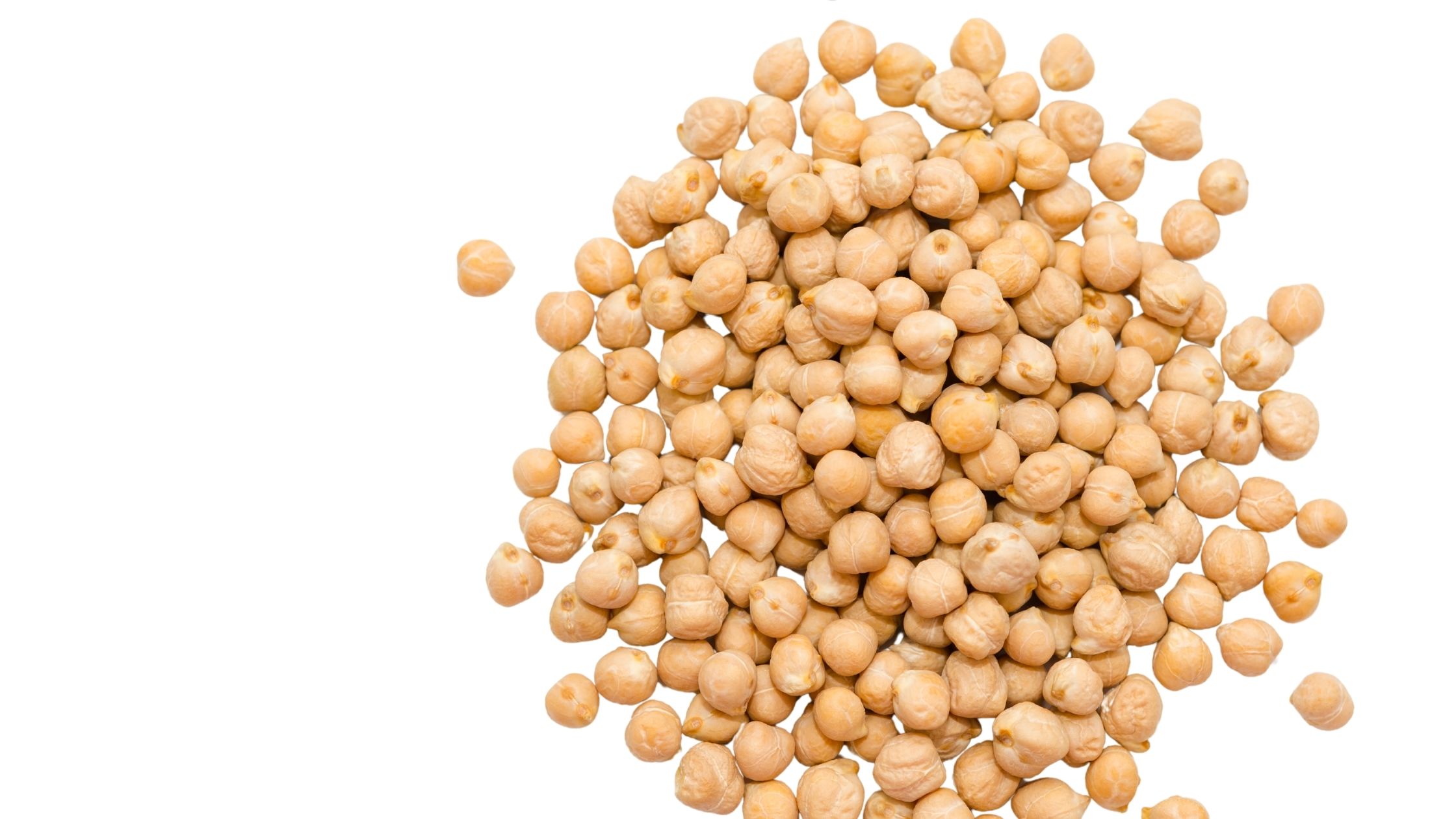
Generally larger and lighter-coloured chickpeas specified by appearance, calibration, defects and intended use.

02

Desi chickpeas

Generally smaller, often darker chickpeas supplied for dal, flour, curries, snacks and ingredient processing.

03

Calibrated Kabuli chickpeas

Whole chickpeas screened to an agreed aperture and retained percentage, or measured by an exact count convention.

04

Dehulled or split chickpeas

Processed forms quoted only when available, with form integrity, residual hull, broken material and fines defined.

05

Processing-selected chickpeas

Lots reviewed against buyer-defined hydration, cooking, canning, roasting or milling tests where required.

Commercial planning

What affects the delivered Chickpeas price?

A useful comparison requires the same product, scope, term and shipment period.

  1. 01Kabuli or Desi type and presentation
  2. 02Calibration method, size and sorting yield
  3. 03Grade, colour, defect and purity tolerances
  4. 04Hydration, cooking or canning test scope
  5. 05Origin market, crop position and shipment period
  6. 06Quantity, packaging, labels and palletization
  7. 07Inspection, treatment, analysis and documents
  8. 08Freight route, Incoterms® rule and destination costs

Why Zenith Eclipse

Buying detail that reduces assumptions.

01

Class clarity

Kabuli and Desi requirements are quoted as distinct product types.

02

Testable calibration

Sieve and seed-count methods include the unit, tolerance and sample basis.

03

End-use testing

Hydration, cooking and canning tests can be defined when performance matters.

04

Lot-linked evidence

Sampling, quality results and inspection refer to the nominated lot or shipment.

05

Handling control

Storage, package and transport conditions are reviewed to protect physical quality.

06

Delivery coordination

Product, packaging, documents and freight milestones remain in one scope.

Chickpeas procurement checklist

Send a comparable RFQ.

Complete details help the sales and logistics teams return a usable commercial offer.

  • Kabuli or Desi type and intended use
  • Whole, dehulled or split presentation
  • Sieve calibration or exact count method
  • Moisture, cleanliness and defect limits
  • Hydration, cooking or canning tests if needed
  • Quantity, packing, marks and shipment period
  • Destination, Incoterms® rule and named place
  • Sampling, inspection, certificates and documents
Send your Chickpeas requirements

Chickpeas supplier FAQs

Answers procurement teams need before booking.

01What is the difference between Kabuli and Desi chickpeas?+

Kabuli chickpeas are generally larger and lighter-coloured. Desi chickpeas are generally smaller and often darker, with different processing applications; the contract confirms the actual type.

02How should chickpea size be specified?+

State a sieve aperture and retained percentage or an exact seed count per defined mass, together with the sampling and test method.

03Does a lower chickpea count mean a larger seed?+

Yes, but only when both counts use the same fixed mass and counting method. A count is not automatically equivalent to a millimetre calibration.

04Is calibration the same as grade?+

No. Calibration measures size distribution. Grade can also consider foreign material, damage, splits, colour and other quality factors.

05Can cooking time be predicted from size alone?+

No. Variety, lot condition, storage history, water and test conditions can affect cooking. A nominated lot should be tested under an agreed method.

06Can hydration or canning tests be included?+

Yes. The RFQ should state sample size, soak or cooking conditions, reporting basis and acceptance criteria.

07Is a phytosanitary certificate always required?+

No. It depends on the importing country's plant-health requirements and the applicable export authority.

08What information is needed for a chickpeas quotation?+

Provide type, presentation, calibration, quality limits, quantity, packing, destination, shipment period, Incoterm and required documents.

Internal buying routes

Plan the product and movement together.

Continue through the relevant Zenith Eclipse product or logistics page.