Integrated commodity supply & global logistics

+971 4 250 0715
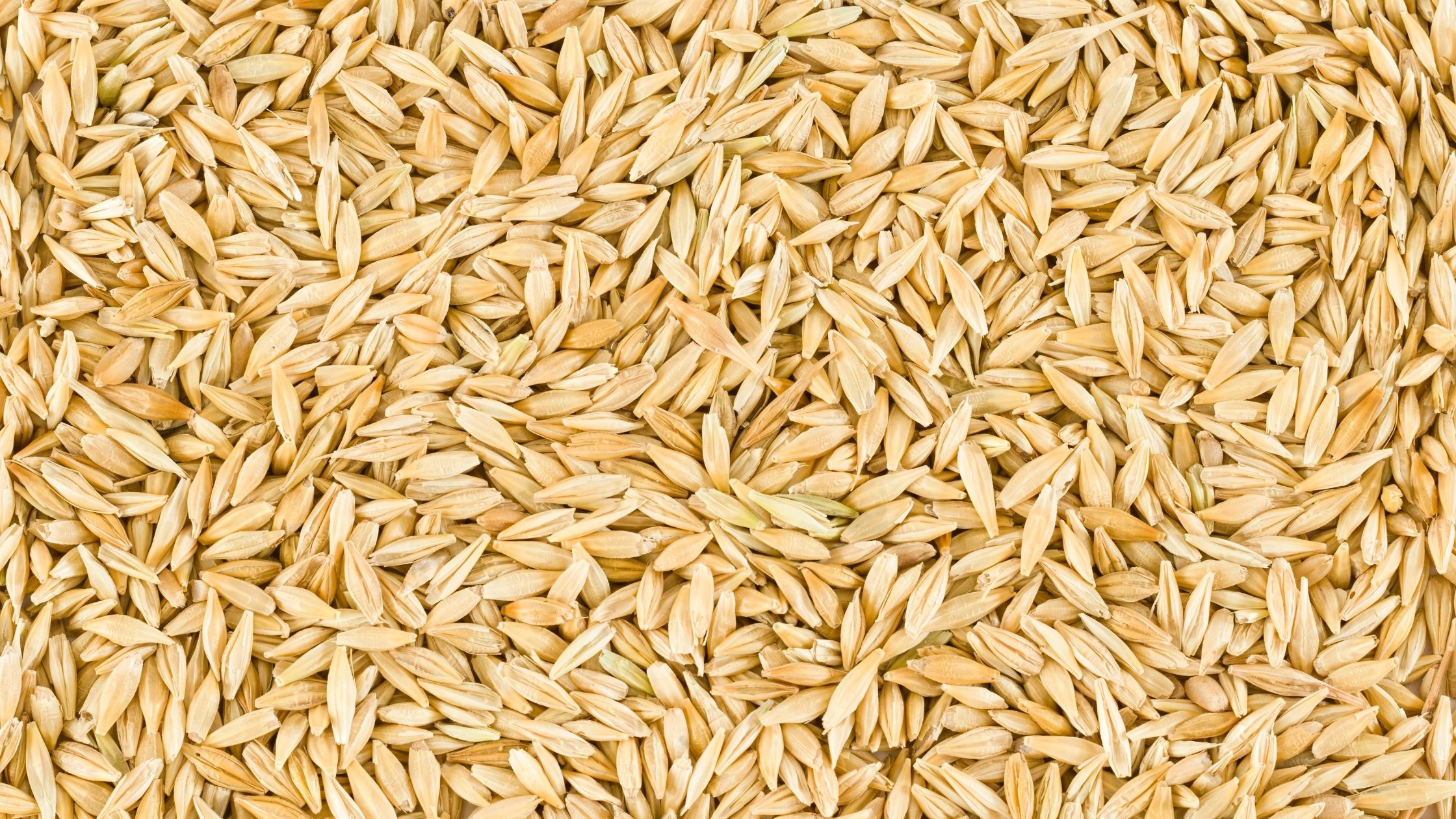
Bulk barley supplied for malting, food processing and animal feed
GR

Grains · Bulk Barley

Barley Supplier & Exporter

Specification-led bulk barley supply for maltsters, breweries, food processors, feed mills, importers and grain traders, with lot-specific quality controls and coordinated international delivery.

Category reference · GR-02 · Page reviewed 28 August 2026
Request a quote for Barley View quality specifications

Product overview

Barley matched to the buyer's end use and acceptance criteria.

Zenith Eclipse supplies barley for malting, food processing and animal feed. Every enquiry begins with the intended use because malting barley, food barley and feed barley require different selection, testing, handling and acceptance criteria.

The written quotation identifies the applicable grade or buyer specification, barley type, crop year and origin where relevant, quantity, quality limits, packaging, inspection scope, shipment window, Incoterms® rule and destination document set. Availability and analytical results are confirmed for the offered lot rather than presented as universal values.

End-use specificationLot-linked quality evidenceMalting criteria when requiredBulk and container planning
GR

Applications

Barley selected for the way your operation uses it.

01

Malt, brewing and distilling

Malting barley selected against variety, row type, germination, protein, kernel sizing and damage criteria defined by the buyer.

02

Livestock and compound feed

Feed barley supplied against agreed nutritional, physical and safety parameters for the destination market.

03

Pearling, cereal and food processing

Food barley matched to cleanliness, condition, kernel and processing requirements for the intended product.

04

Milling and ingredient production

Whole or suitable processed forms reviewed against the buyer's milling, blending and finished-product requirements.

Contract specification

A barley grade does not define every end-use requirement.

The contract should identify the governing grade system or complete buyer specification. Malting approval remains lot- and buyer-specific; it cannot be inferred from a general grade name. Every numeric limit should state its unit, reporting basis, test method and acceptance tolerance.

End-use class
Malting, food or feed
Type / variety
Contract defined
Row and hull type
When relevant
Crop year & origin
Stated in the offer
Moisture
Contract maximum
Test weight
Contract minimum; unit stated
Protein
When required; basis stated
Plump / thin kernels
Contract limits
Germination
Required for malting orders
Damage, sprouts & screenings
Contract limits
Mycotoxins, residues & contaminants
End-use and destination requirements
01

Quality control & handling

Protect identity, condition and usable yield.

Quality is assessed against the signed contract and representative lot samples. Depending on the order, verification can cover grade, moisture, test weight, protein basis, kernel sizing, screenings, damage, germination and destination safety parameters.

Clean, dry and cargo-compatible storage and transport help control moisture, condensation, infestation, cross-contact and foreign odours. Malting or variety-specific lots require segregation and handling that protects germination and kernel integrity.

  • Lot identity and traceability maintained
  • Sampling and test methods agreed
  • Storage and loading condition checks
  • Independent inspection coordinated when requested
02

Export documentation

Confirm barley documents before contracting.

The final document list depends on origin, destination, intended use, payment method and delivery term. Requirements are checked before shipment because plant-health, food and feed documentation can differ by market.

The agreed set may include a commercial invoice, packing or weight list, transport document, certificate of origin, certificate of analysis, official grade or inspection certificate, phytosanitary certificate where required, treatment record when treatment occurs, insurance document for the agreed term, and destination-specific food or feed records.

03

Packaging & order formats

Select the loading format for the route and receiver.

Possible formats include bulk vessel shipment, containerized bulk with a suitable liner, bags and flexible intermediate bulk containers. The quotation confirms which options are feasible for the origin, volume, loading point and destination.

Package material, food-contact suitability where applicable, net weight, closure, palletization, markings, lot code, payload and moisture-protection measures are agreed before loading.

04

Logistics & Incoterms

Plan grain safety and commercial delivery together.

Bulk sea carriage is planned with the applicable terminal, vessel and International Grain Code requirements. Container and packed movements are checked for equipment condition, cargo compatibility, payload, sealing and route-specific handling.

The quotation states the Incoterms® 2020 rule and exact named port or place. Suitable FCA, FOB, CFR, CIF or DAP scopes can be reviewed according to cargo format and route; the written offer controls the final responsibility split.

What we supply

Barley supply categories

These categories describe different commercial requirements, not interchangeable stock. The offered type, grade, variety and analytical results are confirmed in writing.

01

Malting barley

For maltsters, brewers and distillers where variety, germination, protein, sizing and damage limits are contract-critical.

02

Food barley

For pearling, cereal, milling and food-ingredient applications under agreed food-use controls.

03

Feed barley

For livestock and compound feed, defined by physical, nutritional and destination feed requirements.

04

Covered barley

Barley retaining an attached outer hull after harvest, quoted under the applicable grade and end-use specification.

05

Hulless barley

A distinct type whose loose outer hull is normally shed during harvest; grading treatment depends on origin.

Commercial planning

What affects the delivered Barley price?

A useful comparison requires the same product, scope, term and shipment period.

  1. 01Malting, food or feed class and governing grade
  2. 02Variety, row type, hull type and identity requirements
  3. 03Moisture, test weight, sizing, protein and germination limits
  4. 04Origin, crop year and current lot availability
  5. 05Cleaning, segregation, inspection and analytical scope
  6. 06Bulk, container, bag or big-bag loading format
  7. 07Shipment window, Incoterms® rule and named delivery point
  8. 08Freight, insurance and destination document requirements

Why Zenith Eclipse

Buying detail that reduces assumptions.

01

End-use first

Malting, food and feed requirements are separated before a lot is proposed.

02

Comparable specification

Units, methods, tolerances, inspection and documents are stated with the commercial offer.

03

Malting detail

Germination, protein, sizing and variety criteria can be included when the buyer requires them.

04

Lot-linked evidence

Quality records are tied to the offered lot or shipment under the agreed test scope.

05

Format-to-route planning

Bulk, container and packed options are checked against loading and receiving infrastructure.

06

One delivery scope

Product, documents and freight milestones are coordinated against the same contract.

Barley procurement checklist

Send a comparable RFQ.

Complete details help the sales and logistics teams return a usable commercial offer.

  • Malting, food or feed application
  • Grade system or complete buyer specification
  • Row type, hull type and variety requirements
  • Quality limits, units and test methods
  • Quantity, tolerance and purchase schedule
  • Bulk, container, bag or big-bag format
  • Destination and Incoterms® 2020 rule
  • Inspection, document and acceptance requirements
Send your Barley requirements

Barley supplier FAQs

Answers procurement teams need before booking.

01Which barley types can Zenith Eclipse supply?+

Malting, food, feed, covered and hulless barley can be reviewed subject to current origin, crop, grade and lot availability. The written quotation confirms the exact product.

02Is all barley suitable for malting?+

No. Malting suitability depends on variety and lot-specific factors such as germination, protein, kernel sizing and damage, together with the maltster's own selection criteria.

03Can two-row or six-row barley be specified?+

Yes, where relevant and available. Row type, variety identity and the method of verification should be included in the RFQ rather than inferred from the intended use.

04Can barley be supplied to a buyer specification?+

A complete buyer specification can be reviewed against available lots. Each target should state the unit, test method, result basis and acceptance tolerance.

05What is the minimum order quantity for barley?+

MOQ depends on origin, grade, loading format, processing scope and freight route. Send the target volume and schedule so a feasible shipment size can be confirmed.

06Which export documents are available?+

The document set is origin-, destination- and contract-specific. Required commercial, quality, origin, plant-health, treatment and transport records are agreed before shipment.

07Can barley move in bulk or bags?+

Bulk vessel, container-liner, bag and big-bag formats can be considered where operationally available and suitable for the origin, quantity, route and receiver.

08What information is needed for a barley quote?+

Send the intended use, grade or specification, quantity, packaging, destination, shipment window, Incoterms® rule and required inspection and documents.

Internal buying routes

Plan the product and movement together.

Continue through the relevant Zenith Eclipse product or logistics page.