Integrated commodity supply & global logistics

+971 4 250 0715
Multimodal transport connecting container, rail, road and sea freight handoffs
Services/International Freight Forwarding
MI

International Freight Forwarding · Multimodal

Multimodal & Intermodal Transport

Road, rail, sea or air legs combined where they fit the cargo and corridor, with the contracting structure, transfer method, documents and responsibility at each interface stated before booking.

Service reference · MI-06 · Page reviewed 28 August 2026
Request a multimodal quote Review service scope

Service overview

Use more than one mode without blurring how the cargo and contract move.

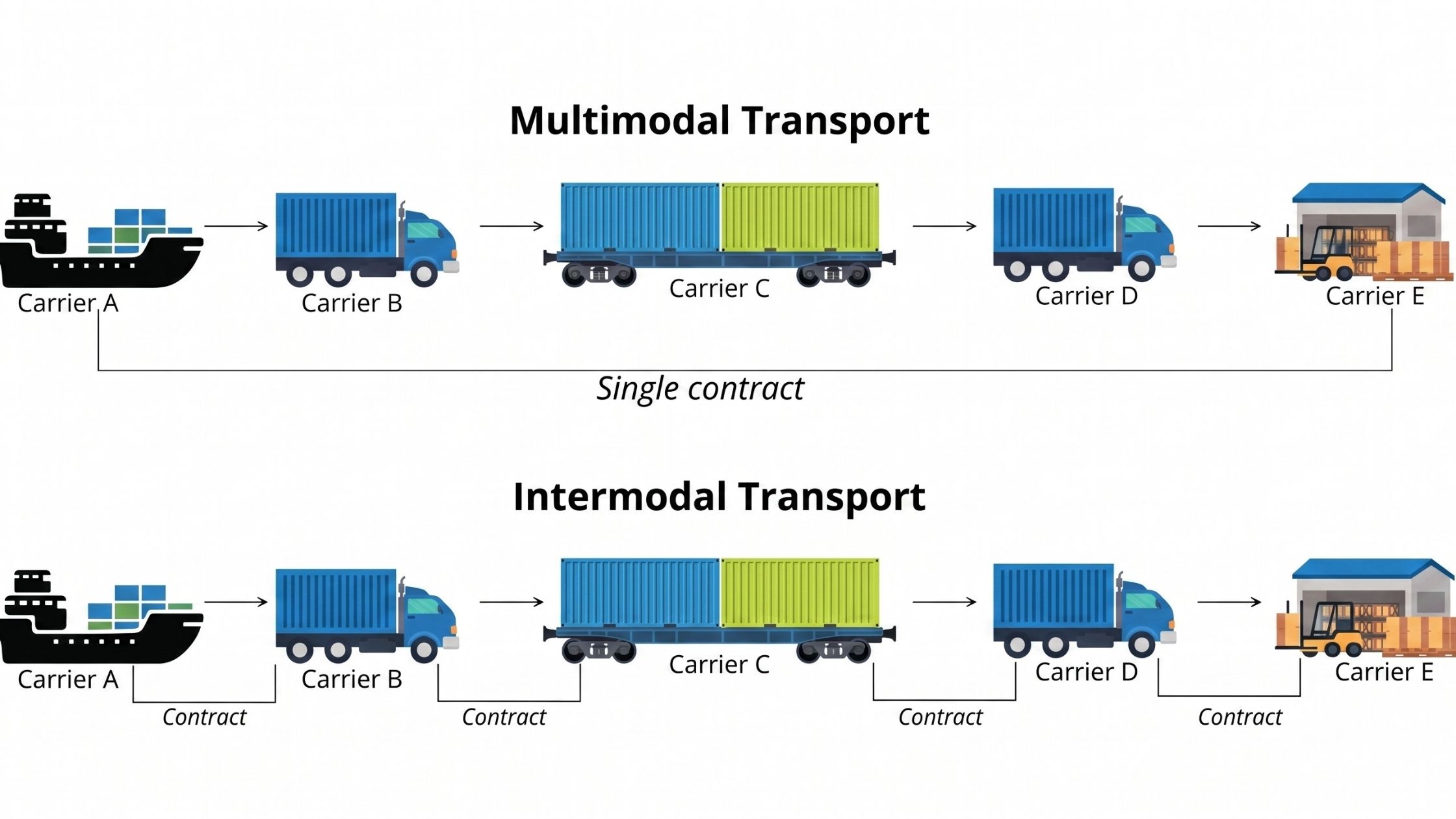
Multimodal transport is carriage by two or more modes. Intermodal transport is more specific: the goods move in the same loading unit or road vehicle across successive modes, without handling the goods themselves when the mode changes. A container that transfers from truck to rail and then vessel can therefore be both multimodal and intermodal; cargo that is unloaded and rebuilt between modes can be multimodal without being intermodal.

These terms do not, on their own, determine who has legal responsibility. A movement may sit under one multimodal transport contract, separate contracts for individual legs, or a forwarding arrangement that connects nominated providers. Zenith Eclipse defines the intended physical route and the commercial structure separately, including the contracting role, transport documents, terminal transfers, customs interfaces, liability terms, visibility and final-delivery scope.

Mode-combination comparisonInterface responsibility mapContract and document clarityTransfer milestone visibility
MI

Best-fit requirements

Multimodal designed around the operating commitment.

01

Inland origin or destination corridors

Connect factories, mines, farms or distribution centres to distant gateways using feasible road, rail or water legs and planned terminal interfaces.

02

Time-cost balance

Compare a mixed-mode route with single-mode alternatives when pure air is too costly or pure ocean does not fit the required delivery window.

03

Container continuity across modes

Use an intermodal loading unit where equipment, infrastructure, payload, seal, customs and carrier conditions permit transfer without unpacking the goods.

04

Corridor and capacity diversification

Review alternative gateways or mode sequences for repeat trade lanes while documenting the added interfaces, lead-time range and commercial consequences.

Service scope

Separate the physical mode sequence from the legal contract structure.

A complete proposal should identify how the goods move, whether the loading unit changes, who contracts each leg, which document covers it and where responsibility transfers. Route availability remains subject to cargo acceptance, infrastructure, equipment, capacity, border rules and the final service order.

Transport classification
Multimodal for two or more modes; intermodal only where the same loading unit or road vehicle transfers without handling the goods
Contract structure
Single multimodal contract, separate leg contracts or forwarding coordination identified in the quotation
Contracting role
Carrier, multimodal transport operator or freight-forwarding role stated without relying on the service name alone
Cargo and unit
Commodity, classification, pieces, weight, dimensions, packaging, container or other loading unit confirmed
Mode sequence
Planned road, rail, sea, air or inland-waterway legs identified with named interfaces
Transfer method
Lift-on/lift-off, roll-on/roll-off, terminal interchange, cross-dock or cargo transload stated where applicable
Border and transit
Exporter, importer, declarant, transit procedure, security and guarantee responsibilities allocated
Transport documents
Single multimodal document or separate leg documents used only when appropriate to the contracting structure
Handling controls
Unit condition, loading, securing, seals, compatibility, transfer acceptance and special-cargo controls agreed
Milestones and fallback
Transfer cutoffs, connection assumptions, exception thresholds and authorized routing alternatives defined
01

Operating controls

Treat every mode change as a controlled interface.

The route plan checks whether the cargo, loading unit and securing arrangement are suitable for each performing mode and transfer facility. Payload, dimensions, lifting points, seals, temperature needs, dangerous-goods acceptance and terminal capabilities are reviewed where relevant before the combined route is confirmed.

Each transfer introduces dependencies between schedules, documents, equipment and border status. The control plan therefore records cutoffs, minimum connection assumptions, terminal acceptance, responsible contacts and escalation rules rather than treating a mode change as an invisible internal event.

  • Cargo and loading-unit suitability checked for every planned mode
  • Transfer facility, cutoff and acceptance conditions recorded
  • Packing, securing, seal and special-handling responsibilities allocated
  • Missed connection and rerouting decisions managed through agreed escalation
02

Documents & evidence

Match the transport documents to the contracting reality.

A multimodal route does not automatically create a single multimodal bill of lading. Depending on the role and agreement, the shipment may use an eligible multimodal transport document or separate road, rail, ocean, air, terminal and warehouse records. The quotation identifies the intended document structure and issuer before cargo is committed.

Commercial invoice, packing list, origin and permit records, customs and transit data, dangerous-goods documents, verified gross mass where applicable, interchange receipts and delivery evidence must remain consistent across legs. Negotiability, title, bank acceptability and liability should be reviewed against the actual document terms and transaction requirements; Zenith Eclipse does not present a transport document as legal or banking advice.

03

Execution & implementation

Compare the complete corridor, not only the longest leg.

Route modelling considers feasible mode pairs, gateway and terminal capability, first and last mile, schedule frequency, connection time, border processes, equipment supply, seasonal constraints and expected dwell. A mixed route can be attractive only when its interfaces suit the cargo and the total delivered requirement.

The commercial proposal states the planned mode sequence and validity period together with known assumptions. Transit indications are planning estimates unless a specific commitment is expressly accepted in the contract, and live capacity, government permissions, carrier acceptance and operational conditions are reconfirmed before booking.

04

Visibility & reporting

Keep leg events and transfer events in one shipment view.

Milestone reporting can normalize collection, gate-in, departure, border, terminal arrival, discharge, interchange, onward connection, customs status and final POD events across different performing parties. Shipment identifiers, loading-unit numbers, seals and document references are aligned where the systems and route support them.

Data quality and update frequency vary between road carriers, rail operators, shipping lines, airlines, terminals, brokers and authorities. Reports distinguish planned, estimated and confirmed events; they should not be interpreted as uninterrupted real-time tracking or as a guarantee that an onward connection will be met.

Service configurations

Multimodal and intermodal route configurations

These are planning structures, not universal route promises. The written offer confirms the mode sequence, loading unit, contract structure, performing corridor and available schedule.

01

Sea–rail–road

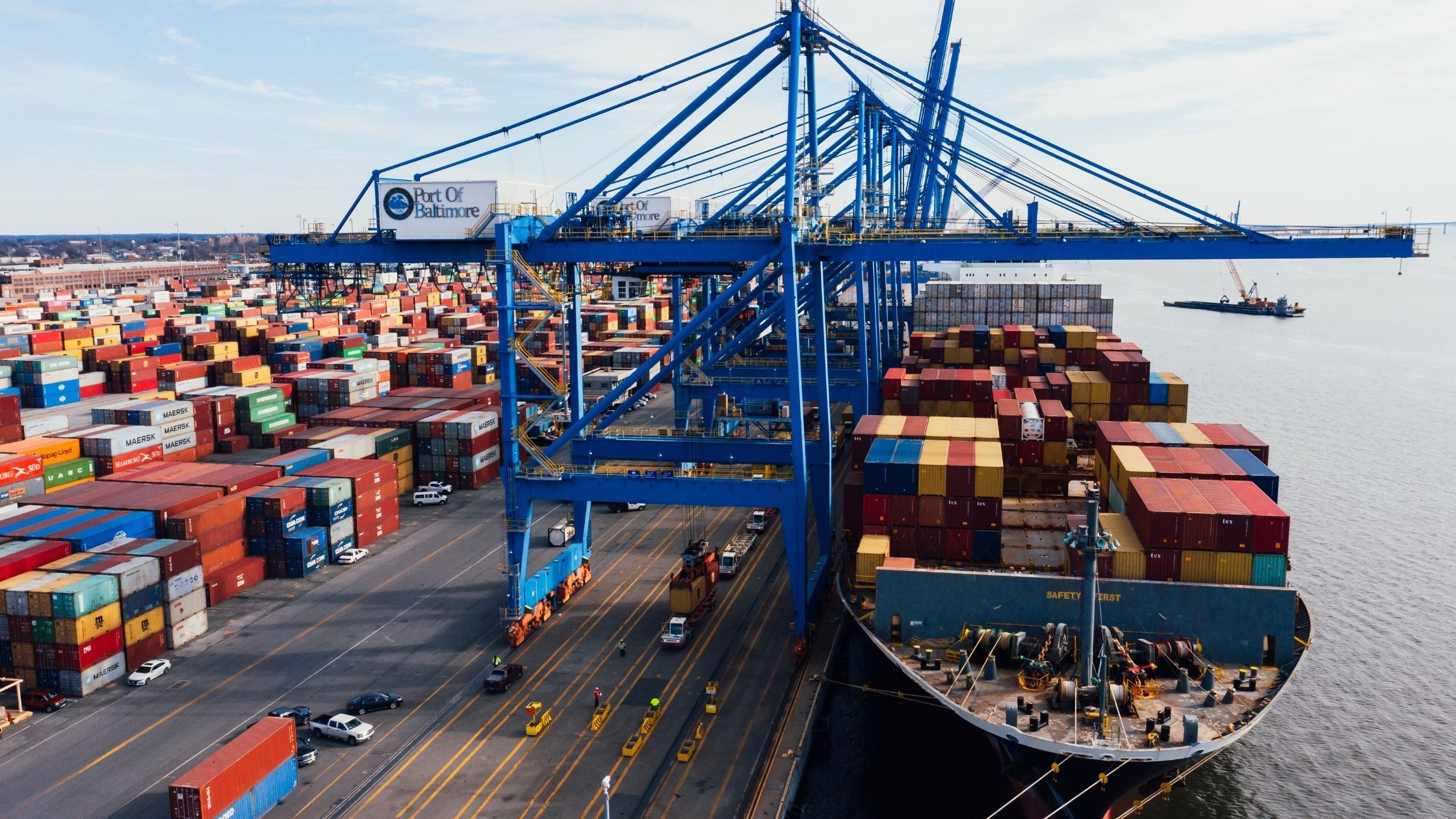
Container or suitable cargo movement combining maritime carriage with an inland rail corridor and road collection or delivery.

02

Rail–road

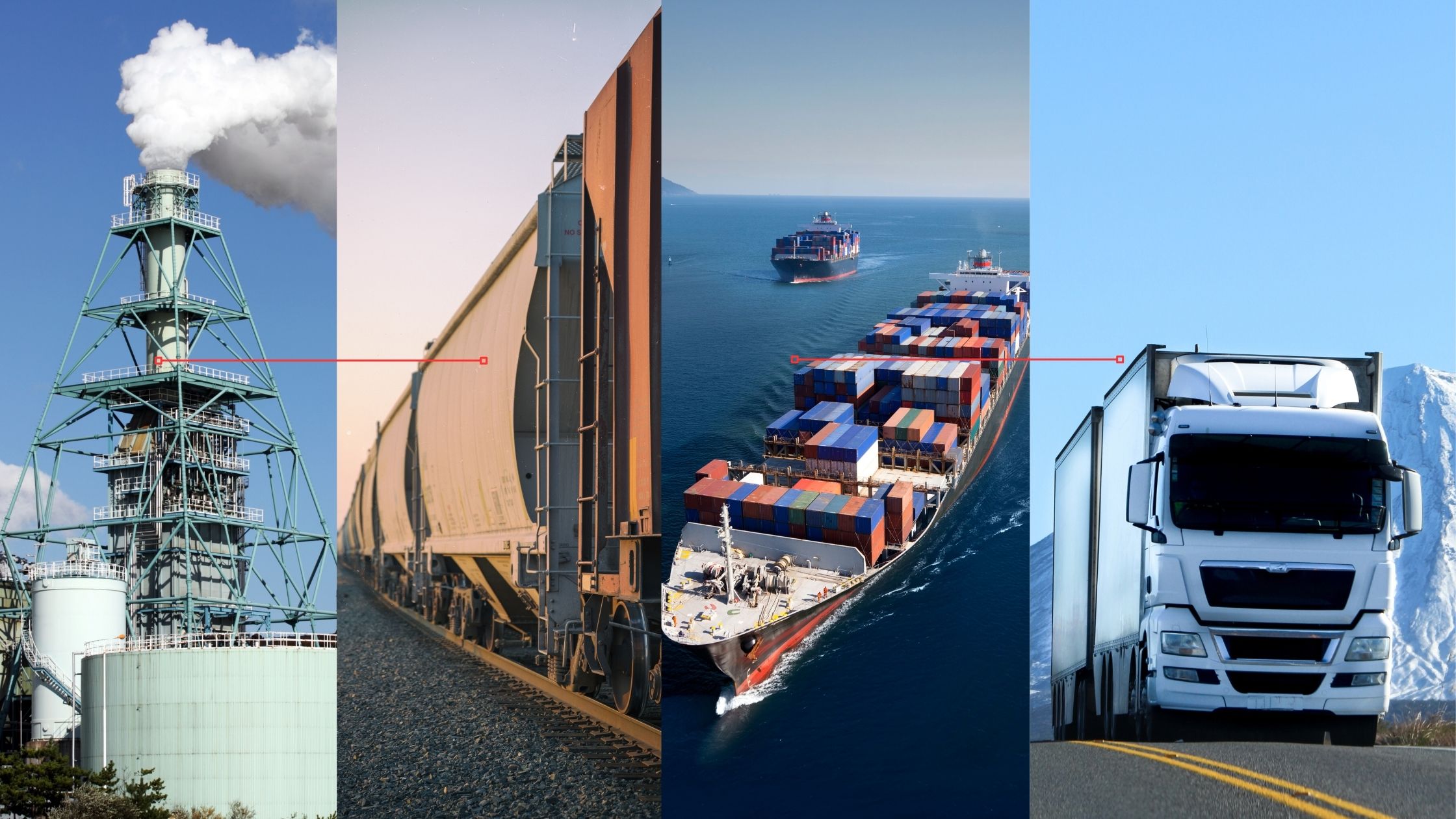
Rail linehaul connected to first or last-mile trucking for inland corridors with suitable terminals and equipment.

03

Air–road

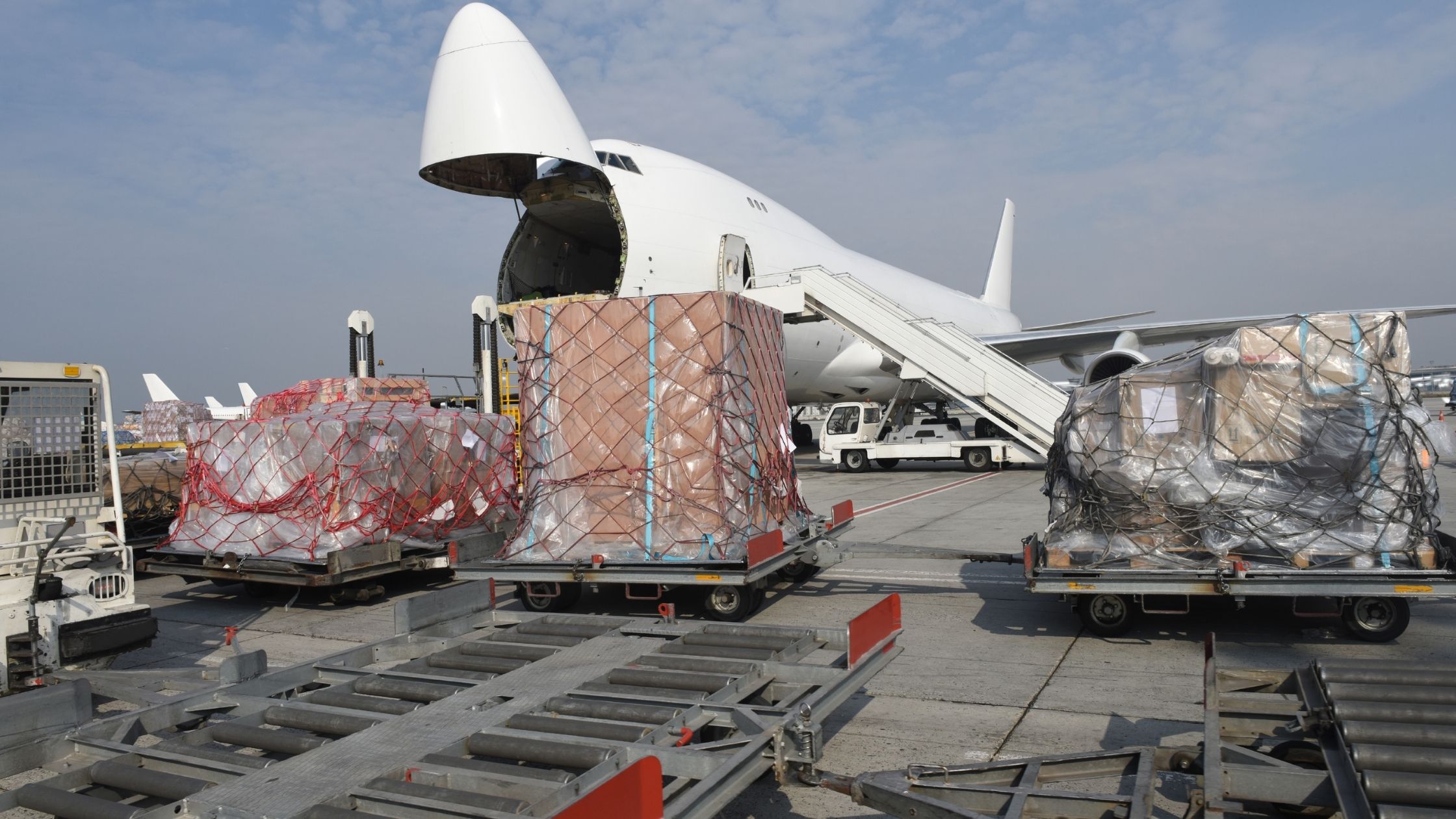
Airport carriage connected to controlled pickup, transfer and final delivery for time-sensitive freight accepted on the lane.

04

Sea–air

Maritime and air legs combined through an eligible gateway when the cargo, transfer process and time-cost objective support the added handling.

05

Intermodal container corridor

A container or other intermodal transport unit transfers across modes without unpacking the goods, subject to equipment and route acceptance.

Commercial planning

What shapes the multimodal cost?

A comparable rate needs the same cargo, route, responsibility, service level and validity period.

  1. 01Origin, destination, gateways and complete mode sequence
  2. 02Cargo type, classification, value, weight, dimensions and packaging
  3. 03Container, wagon, trailer, air-unit or specialist equipment requirements
  4. 04Terminal transfers, lifting, cross-dock, transload and securing scope
  5. 05Schedule frequency, connection time, shipment window and capacity
  6. 06Single-contract or separate-leg commercial and document structure
  7. 07Customs, transit, guarantee, permit, inspection and security requirements
  8. 08Storage, demurrage, detention, accessorial, insurance and contingency assumptions

Why Zenith Eclipse

Operational detail that reduces assumptions.

01

Correct service definition

Multimodal and intermodal are distinguished by mode count, loading-unit continuity and contracting structure.

02

Whole-corridor comparison

First mile, terminals, border events, connections and last mile are assessed with the main carriage legs.

03

Interface ownership

The plan assigns information, cargo and decision responsibilities at each transfer point.

04

Document alignment

Transport and regulatory records are mapped to the parties and legs they actually cover.

05

Transparent assumptions

Schedule, dwell, connection, capacity and charge assumptions are visible in the commercial basis.

06

Structured exception response

Missed transfers and route changes are escalated with operational choices and approval needs.

Multimodal RFQ checklist

Send a comparable freight brief.

Complete details help the commercial and operations teams return a usable scope and rate.

  • Collection and delivery points, contacts, access conditions and operating hours
  • Cargo description, classification, value, packaging and sensitivity
  • Pieces, gross weight, dimensions and loading-unit or equipment preference
  • Ready date, required delivery range, frequency and volume forecast
  • Acceptable and prohibited modes, gateways, transit countries or transfers
  • Desired single-contract or separate-leg structure and document requirements
  • Importer, exporter, broker, customs-transit and Incoterms® responsibilities
  • Visibility, insurance, security, temperature, POD and contingency requirements
Send your multimodal requirements

Multimodal FAQs

Answers procurement and operations teams need before booking.

01What is the difference between multimodal and intermodal transport?+

Multimodal transport uses two or more modes. Intermodal transport moves the goods in the same loading unit or road vehicle across successive modes without handling the goods themselves at the mode change. An intermodal journey is multimodal, but a multimodal journey involving cargo transload is not necessarily intermodal.

02Does multimodal transport always use one contract?+

No. One multimodal transport contract may be used when an appropriate operator accepts that role, but a route can also involve separate contracts or forwarding arrangements for individual legs. The quotation and issued documents, not the service label, establish the commercial structure.

03Will the cargo remain in the same container for the entire route?+

Only when an intermodal loading unit is used and the cargo, equipment, infrastructure, carriers, terminals, payload and border procedures support continuous unit movement. Any planned transload, repacking or equipment change is identified in the route scope.

04Which transport modes can be combined?+

Road, rail, sea, air and, where available, inland-waterway legs can be evaluated in suitable combinations. The workable sequence depends on the corridor, cargo, equipment, schedules, facilities, regulation and current capacity.

05Which transport document covers a multimodal shipment?+

The shipment may use an eligible multimodal transport document or separate documents for each leg. The issuer's role, document terms, negotiability, bank requirements and applicable liability rules must match the actual transaction and are confirmed before booking.

06Are multimodal transit times guaranteed?+

Transit times are normally planning estimates based on available schedules, connection assumptions and border conditions. A specific service commitment applies only if it is expressly accepted in the written contract, including its conditions and exclusions.

07How are customs and transit procedures managed between modes?+

The route plan identifies the importer, exporter, declarant, broker and transit-responsible party, together with required filings, seals, guarantees or controls. Zenith Eclipse can coordinate within its contracted role, while authorities retain control of inspection, assessment and release.

08What information is needed for a multimodal freight quote?+

Provide exact locations, cargo details, pieces, weight, dimensions, value, loading-unit preference, ready and delivery dates, acceptable modes and transit points, Incoterms® context, customs roles, document structure, handling and visibility needs.

Connected operating routes

Plan the next handoff in the same system.

Continue through the relevant Zenith Eclipse logistics or commercial page.