
Integrated commodity supply & global logistics

+971 4 250 0715
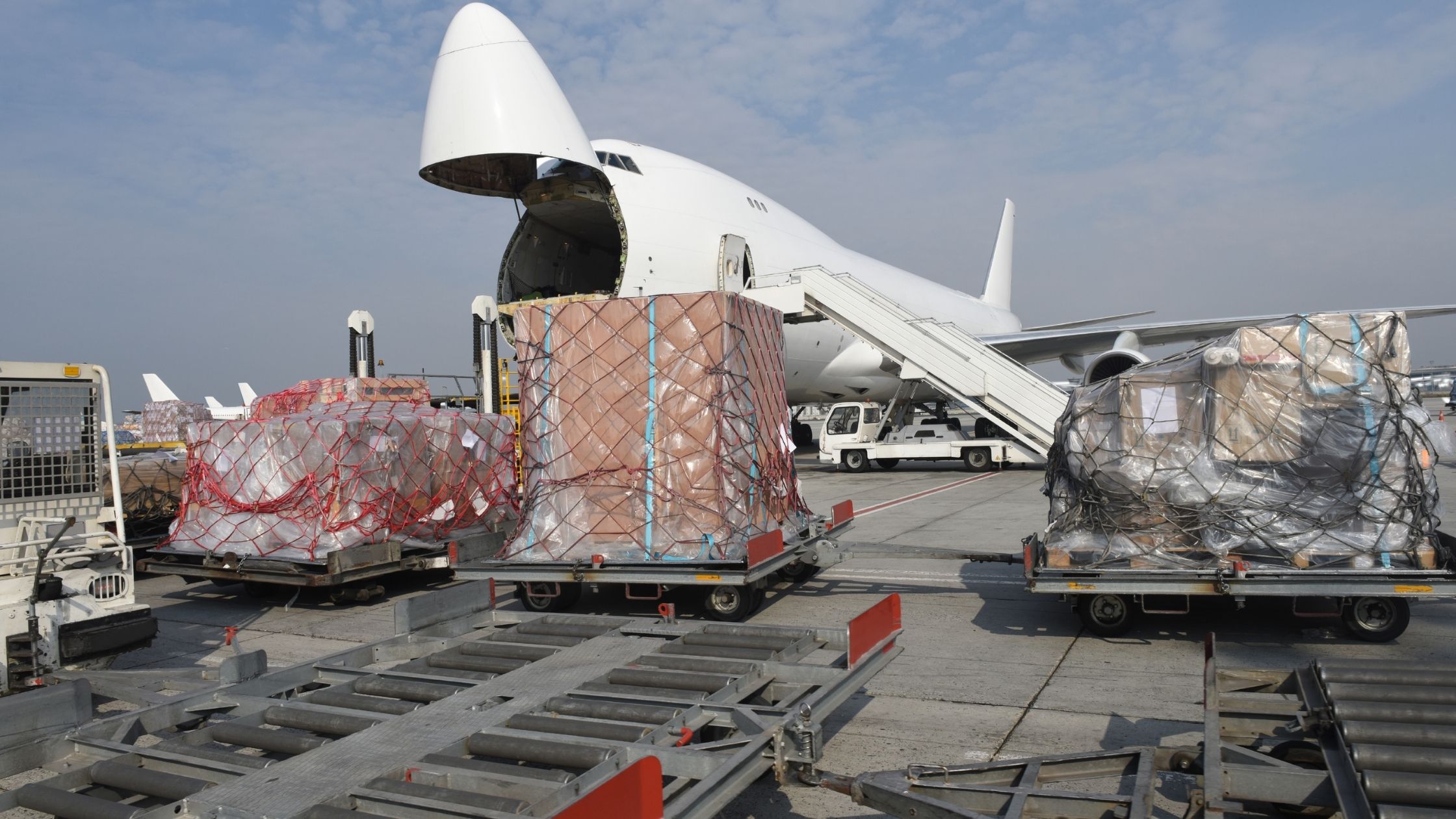
Air cargo being handled at an international freight terminal
Services/International Freight Forwarding
AF

International Freight Forwarding · Air Freight

Air Freight Services

International air freight planned around cargo readiness, chargeable weight, airline acceptance, handling requirements and the delivery deadline.

Service reference · AF-01 · Page reviewed 28 August 2026
Request an air freight quote Review service scope

Service overview

Air freight built around the shipment—not a generic speed label.

Zenith Eclipse coordinates international air freight for manufacturers, importers, exporters, distributors and project teams moving urgent components, replenishment stock, high-value goods and eligible special cargo. The plan can cover airport-to-airport carriage or a defined door-to-door scope, subject to carrier, handler, customs and destination capability.

Each quotation identifies the cargo, pieces, actual weight, dimensions, chargeable-weight basis, routing, service priority, planned milestones, handling conditions, customs responsibilities and included charges. Capacity, flight schedules and acceptance remain subject to the operating airline and relevant authorities until confirmed.

Chargeable-weight reviewAirline and handler acceptance controlDefined routing and delivery scopeMilestone and exception visibility
AF

Best-fit requirements

Air Freight designed around the operating commitment.

01

Urgent production parts

Time-sensitive components, tools and replacement parts routed against the required production or maintenance deadline.

02

High-value commercial cargo

Electronics, instruments and other valuable goods planned with appropriate handling, security and handoff requirements.

03

Temperature-sensitive shipments

Eligible pharmaceutical, food and industrial cargo coordinated against an approved temperature range, packaging plan and lane capability.

04

Launches and inventory recovery

Priority replenishment, product launches and inventory-shortage movements planned around cargo readiness and receiving deadlines.

Service scope

Define the air-freight brief before comparing rates.

A usable air-freight quotation needs more than an origin, destination and gross weight. Dimensions, packaging, cargo classification, handling requirements and the requested delivery scope can change chargeable weight, airline acceptance, routing and total cost.

Cargo identity
Accurate goods description, HS code where known and intended use
Origin and destination
Pickup address, departure gateway, arrival gateway and final delivery point
Pieces and packaging
Piece count, package type, stackability and pallet details
Actual gross weight
Total and piece-level weights with the applicable unit
Dimensions
Length, width and height for every package or package group
Chargeable-weight basis
Higher applicable actual or volumetric weight under the selected carrier or tariff rules
Cargo-ready timing
Ready date, collection window and required delivery date
Service priority
Economy, standard, priority, time-critical or charter review
Special handling
Temperature, value, fragility, security, DG status or other documented constraints
Commercial responsibility
Incoterms® rule, customs scope, insurance request and named responsible parties
01

Operating controls

Acceptance is controlled at every critical handoff.

A routing proposal is checked against cargo dimensions, aircraft and unit-load-device constraints, airline capability, handler requirements and the requested timing. A booking request does not itself guarantee uplift; the operating carrier controls final capacity and acceptance.

Dangerous goods, batteries, temperature-sensitive cargo and other regulated or restricted shipments require complete disclosure and qualified preparation. Acceptance depends on the current rules, State and operator variations, routing, packaging, documents and facilities available for the shipment.

  • Booking and capacity reconfirmed with the operating carrier
  • Piece count, weights, dimensions and package condition checked before tender
  • Special-cargo documents and acceptance obtained before dispatch
  • Exceptions escalated against the agreed communication plan

02

Documents & evidence

Air-cargo documents aligned before tender.

Shipment data may support a master air waybill, house air waybill or direct air waybill structure, depending on the booking. Consignor, consignee, goods description, piece count, weight, routing and handling information should match the commercial and customs documents.

The required set can include a commercial invoice, packing list, certificate of origin, permits, licenses, customs declarations, insurance evidence and product-specific certificates. Eligible dangerous goods require the applicable declaration and supporting information prepared by qualified parties. Final requirements depend on the cargo, jurisdictions, airline and destination.

03

Execution & implementation

Select the route by deadline, handling risk and total scope.

The routing review considers available gateways, direct or connecting services, transfer points, planned cutoffs, handling capability and the final delivery requirement. A connection can improve capacity or price but introduces another operational handoff that must be visible in the plan.

Door-to-door scope can combine pickup, export coordination, terminal handling, main carriage, import-clearance coordination and final delivery. Planned departure, arrival and delivery times remain estimates until the relevant carriers and authorities complete each stage.

04

Visibility & reporting

Milestones that show where action is required.

The visibility plan can cover booking confirmation, pickup, terminal receipt, customs status, acceptance, uplift, transfer, arrival, release, out-for-delivery and proof of delivery. Updates depend on data supplied by airlines, handlers, customs brokers and delivery partners.

When a schedule, acceptance or clearance exception occurs, the shipment is reviewed against feasible recovery options. Visibility does not mean uninterrupted live positioning; it means relevant operational events, responsibilities and decisions are communicated through an agreed workflow.

Service configurations

Air-freight options selected against the commercial brief

Availability depends on the lane, cargo, airline acceptance, capacity and requested timing. The written quotation defines the confirmed service and inclusions.

01

Airport-to-airport air freight

Scheduled main carriage between agreed airports, with origin and destination services stated separately.

02

Door-to-door air freight

Pickup, airport handling, main carriage, clearance coordination and final delivery combined under a defined responsibility matrix.

03

Consolidated economy air freight

Planned consolidation for cargo with a wider delivery window, subject to available schedules and consolidation cutoffs.

04

Priority and time-critical air freight

Expedited routing, priority handling or next-feasible-flight review for eligible cargo when the lane and carrier can support it.

05

Charter and special-load planning

Conditional charter, part-charter or specialist-aircraft review for exceptional size, weight, timing or handling requirements.

Commercial planning

What shapes the air freight cost?

A comparable rate needs the same cargo, route, responsibility, service level and validity period.

  1. 01Actual weight, dimensions and resulting chargeable weight
  2. 02Origin, destination and selected airport gateways
  3. 03Direct, connecting, economy, priority or charter routing
  4. 04Cargo-ready date, delivery deadline and current capacity
  5. 05Piece count, packaging, stackability and handling profile
  6. 06Dangerous-goods, temperature, value or security requirements
  7. 07Pickup, terminal, customs and final-delivery scope
  8. 08Fuel, security, screening, handling and lane-specific surcharges

Why Zenith Eclipse

Operational detail that reduces assumptions.

01

Comparable air-freight scope

Routing, chargeable weight, service level, local charges and delivery responsibilities are stated on one commercial basis.

02

Cargo-fit routing

The proposed gateway and service are reviewed against the pieces, handling requirements and required delivery window.

03

Acceptance control

Carrier, handler and special-cargo requirements are checked before cargo is released for movement.

04

Document coordination

Transport, customs and cargo-specific document requirements are assembled through a shipment-level checklist.

05

Operational visibility

Relevant booking, uplift, transfer, arrival, clearance and delivery events are monitored through defined milestones.

06

Connected delivery

Air carriage can be coordinated with collection, customs support, storage and last-mile delivery where feasible.

Air Freight RFQ checklist

Send a comparable freight brief.

Complete details help the commercial and operations teams return a usable scope and rate.

  • Accurate cargo description and HS code where available
  • Origin pickup point and final delivery address
  • Number of pieces and packaging type
  • Actual weight and dimensions of every piece
  • Cargo-ready date and required delivery date
  • Stackability, fragility, value and temperature requirements
  • Dangerous-goods status and supporting documents
  • Incoterms® rule, customs scope and insurance requirement
Send your air freight requirements

Air Freight FAQs

Answers procurement and operations teams need before booking.

01How is air-freight chargeable weight determined?+

The applicable chargeable weight is generally based on the higher qualifying actual or volumetric weight under the selected carrier or tariff rules. Send accurate dimensions and weights for every piece; the quotation will state the pricing basis used.

02Can Zenith Eclipse provide door-to-door air freight?+

Yes, where the lane and destination capability allow it. The quotation can define pickup, export coordination, main carriage, import-clearance coordination and final delivery, together with exclusions and responsible parties.

03How quickly can air cargo be delivered?+

Timing depends on cargo readiness, airline acceptance, available capacity, routing, transfers, customs and final delivery. Any schedule shown in the quotation is a planned estimate unless a specific carrier commitment is expressly confirmed.

04Can dangerous goods be shipped by air?+

Eligible dangerous goods can be reviewed subject to complete disclosure, correct classification, qualified preparation, current ICAO and IATA requirements, State and operator variations, carrier acceptance and route capability. Acceptance is never automatic.

05Are priority or next-flight options available?+

Priority, next-feasible-flight and other time-critical options can be reviewed for eligible cargo. Availability depends on the route, cargo size, acceptance status, operating schedule and confirmed capacity.

06Can temperature-controlled cargo move by air?+

Eligible temperature-sensitive cargo can be coordinated when the required temperature range, qualified packaging, monitoring plan, handling instructions and lane capability are confirmed before booking.

07What documents are normally required?+

Common documents include a commercial invoice, packing list, air-waybill instructions and customs information. Origin, destination and cargo type may require certificates, permits, licenses, dangerous-goods documents or other approvals.

08When should a charter be considered?+

A charter or part-charter review may be appropriate when scheduled services cannot reasonably support the cargo dimensions, weight, timing, route or handling requirement. Feasibility and price require aircraft and operator confirmation.

Connected operating routes

Plan the next handoff in the same system.

Continue through the relevant Zenith Eclipse logistics or commercial page.