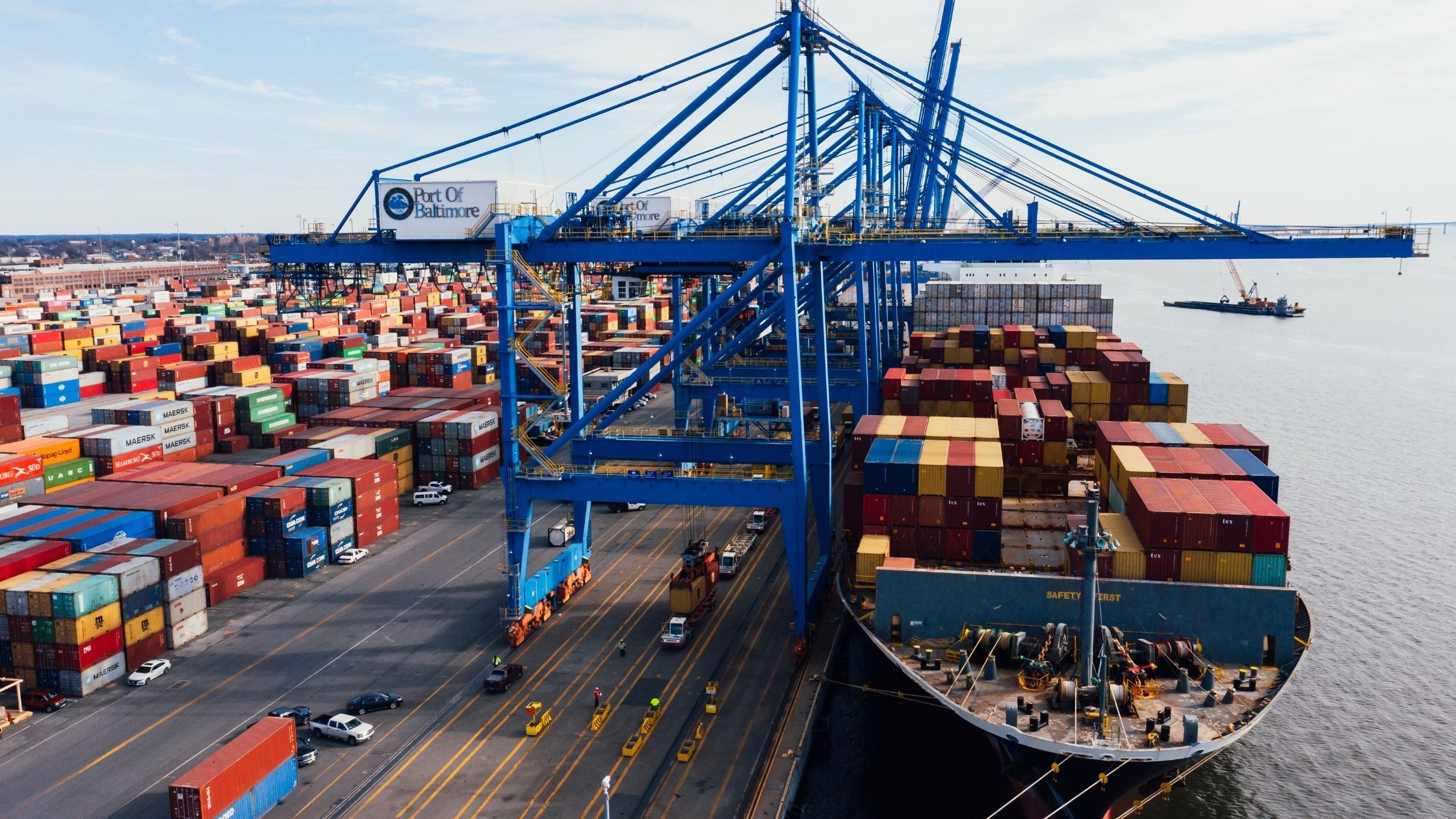

Integrated commodity supply & global logistics

+971 4 250 0715
End-to-end logistics coordination from origin pickup through final delivery
Services/International Freight Forwarding
ET

International Freight Forwarding · End-to-End Logistics

End-to-End Logistics Services

Origin pickup, freight, border-process support, storage and final delivery coordinated through one defined operating plan, with responsibilities, handoffs and evidence agreed before execution.

Service reference · ET-01 · Page reviewed 28 August 2026
Request an end-to-end logistics quote Review service scope

Service overview

Connect the shipment without hiding the responsibility at each handoff.

Zenith Eclipse structures end-to-end logistics for manufacturers, importers, exporters, distributors and project teams that need the movement managed beyond a single port-to-port leg. The scope can connect supplier readiness, pickup, consolidation, export formalities, main carriage, transit interfaces, import-process support, storage and final delivery according to the cargo and lane.

End-to-end describes the coordinated service scope; it does not automatically mean that one carrier, transport document or liability regime covers every leg. The quotation identifies the Zenith Eclipse role, performing parties, named locations, mode and equipment, Incoterms® context, customs responsibilities, milestones, exclusions and delivery evidence so procurement teams can compare a complete operating proposal.

Defined responsibility matrixHandoff and exception planShipment milestone visibilityDelivery evidence and closeout
ET

Best-fit requirements

End-to-End Logistics designed around the operating commitment.

01

Multi-supplier inbound programs

Coordinate supplier collection, origin consolidation, document cutoffs and delivery into a plant, warehouse or distribution network under one operating brief.

02

Export door-to-door movements

Connect factory pickup, export processes, international carriage and destination delivery where the lane, cargo and local operating permissions support the requested scope.

03

Repeat import and distribution lanes

Establish booking rules, milestone expectations, receiving appointments and reporting for recurring shipments without treating every movement as a new design exercise.

04

Industrial and time-defined deliveries

Plan machinery, components, replacement parts or launch stock around site access, handling constraints, documentation and the required delivery window.

Service scope

Define the operating boundary before the first collection.

A door-to-door label is not enough for a comparable quotation. Each proposal should state the physical movement, contracting structure, regulatory interfaces and evidence expected at completion. Final feasibility remains subject to cargo acceptance, capacity, local permissions and the approved service order.

Contracting roleFreight forwarder, contracting carrier or coordinating agent role stated for the quoted movement
Origin scopeSupplier release, collection point, loading responsibility, consolidation and export interface as agreed
Cargo profileCommodity, pieces, weight, dimensions, value, packaging, sensitivity and classification confirmed
Delivery basisIncoterms® rule, sales-contract context and named place reviewed without replacing the parties' sale contract
Mode and equipmentSelected service level, performing mode, equipment and handling requirements identified by leg
Border responsibilitiesExporter, importer of record, broker, filing party and permit responsibilities allocated for the lane
Handoffs and storageTerminals, cross-dock, consolidation, deconsolidation, storage and appointment interfaces mapped
Risk and securityCargo security, insurance request, sensitive-cargo controls and escalation contacts agreed where applicable
Control milestonesReadiness, booking, departure, transfer, arrival, release, out-for-delivery and exception events defined
Completion evidenceDelivery appointment, consignee acceptance, POD, returnable equipment and closeout records specified
01

Operating controls

Control the interfaces that create delay and cost.

The operating plan converts the commercial brief into leg-level responsibilities, cutoffs, dependencies and escalation points. Carrier and facility acceptance, equipment availability, document readiness, loading access, border requirements and consignee receiving conditions are checked before the relevant commitment is made.

Control does not eliminate weather, congestion, regulatory intervention, carrier changes or other external events. It creates an agreed process for detecting exceptions, confirming their operational and cost impact, recording decisions and protecting the next workable handoff.

  • Responsibility and contact matrix issued for the approved scope
  • Cargo, equipment and facility acceptance checked before booking
  • Critical cutoffs and document dependencies tracked by milestone
  • Exceptions escalated with available options and approval requirements
02

Documents & evidence

Build one document checklist around the actual lane.

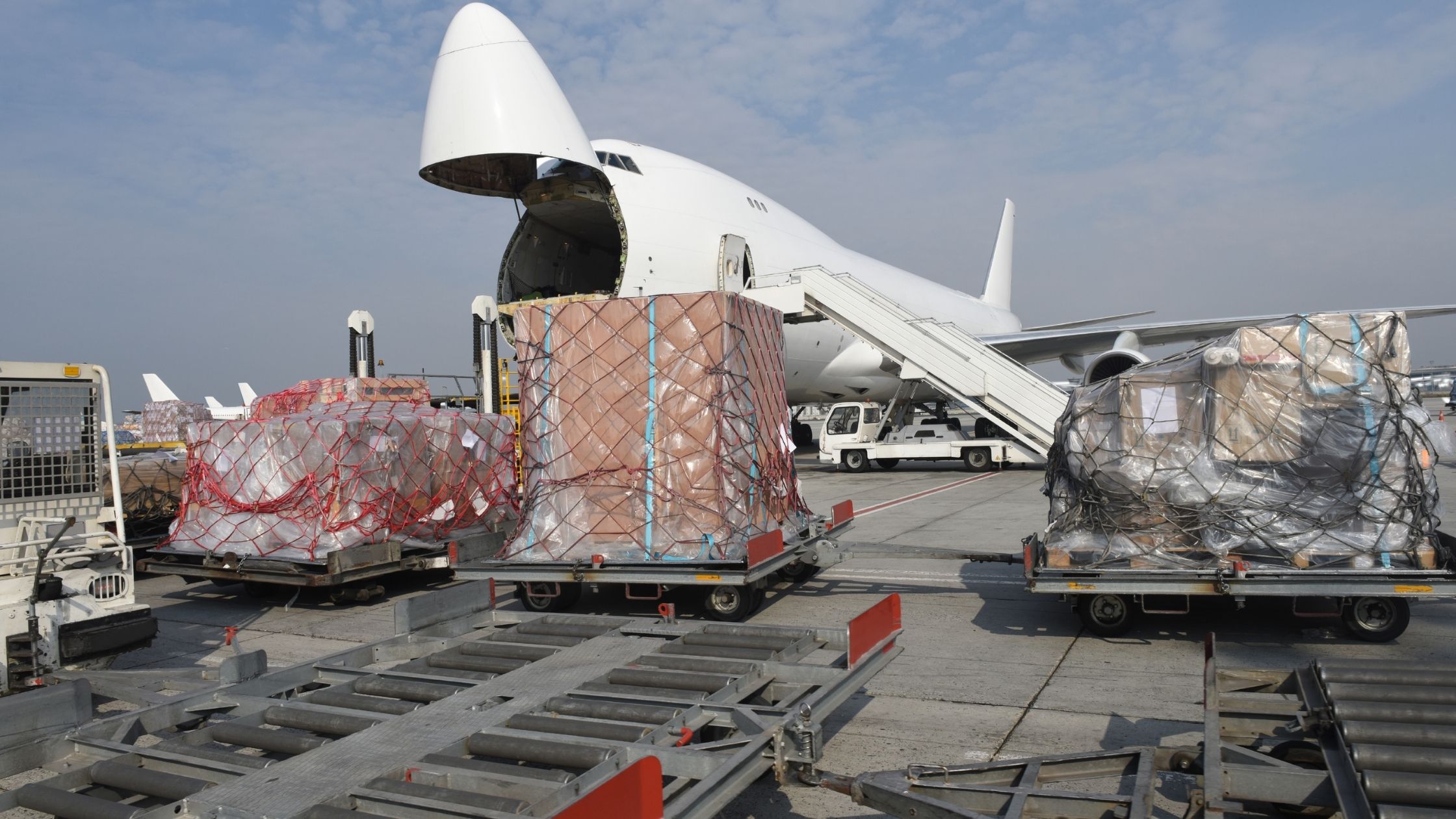
The document matrix identifies who prepares, reviews, issues and receives each record. Depending on the transaction, it can cover the commercial invoice, packing list, origin evidence, permits, export and import filings, security data, dangerous-goods declarations, transport documents, warehouse records, insurance evidence and proof of delivery.

Zenith Eclipse can coordinate document flow and customs-broker interfaces within the contracted scope, but does not replace the exporter, importer of record, competent authority or licensed professional where law assigns that responsibility. Clearance, inspection and release decisions remain with the relevant authorities, and document requirements are confirmed for the specific origin, transit point and destination.

03

Execution & implementation

Design the route around cargo, terminals and receiving reality.

Route planning compares feasible gateways, schedules, mode combinations, equipment, handling events, border processes and last-mile access. The lowest headline freight rate may not be the lowest delivered cost when it adds transshipment exposure, storage risk, restrictive cutoffs or an unsuitable delivery interface.

The approved routing states the planned legs and commercial validity. Capacity, schedule, carrier acceptance and government permissions are reconfirmed at booking, while material rerouting, unplanned storage, special handling or chargeable exceptions are managed through the agreed approval process.

04

Visibility & reporting

Report milestones that support a decision.

A shipment control file can align booking references, performing parties, estimated and actual events, document status, exceptions and proof of delivery. Reporting frequency and access method are matched to the service, carrier data available and the buyer's operational requirements.

Milestone information may come from carriers, terminals, brokers, warehouses, drivers and tracking systems, so update timing and precision can vary by leg. Zenith Eclipse distinguishes planned, estimated, confirmed and completed events and records assumptions rather than presenting every status as continuous real-time tracking.

Service configurations

End-to-end service configurations

The final structure is selected for the cargo, lane, shipment frequency and contracting requirement. Availability and responsibility are confirmed in the written quotation.

01

Door-to-door freight

Pickup, main carriage and destination delivery coordinated within a clearly named origin and delivery scope.

02

Door-to-port or port-to-door

A partial end-to-end structure when the buyer or seller retains control of one inland side of the movement.

03

Multi-supplier consolidation

Collection, cargo receipt, consolidation and dispatch coordinated against supplier readiness and shared cutoffs.

04

Managed import or export lane

Repeat bookings, broker interfaces, delivery rules, milestone reporting and performance review under an agreed operating procedure.

05

Control-tower coordination

Leg-level oversight across nominated providers, with consolidated milestone, exception and closeout reporting where data access permits.

Commercial planning

What shapes the end-to-end logistics cost?

A comparable rate needs the same cargo, route, responsibility, service level and validity period.

  1. 01Origin, destination and collection or delivery access
  2. 02Cargo type, pieces, weight, dimensions, value and classification
  3. 03Selected mode, equipment, service level and performing route
  4. 04Pickup readiness, shipment window, frequency and capacity position
  5. 05Incoterms® context and contracted responsibility by leg
  6. 06Customs-broker, filing, permit, inspection and security scope
  7. 07Consolidation, storage, handling, appointments and accessorial services
  8. 08Insurance request, reporting level, rate validity and exception assumptions

Why Zenith Eclipse

Operational detail that reduces assumptions.

01

Scope before slogan

The proposal defines what door-to-door includes, who performs it and where responsibility changes.

02

Cargo-led planning

Mode, equipment, facilities and handling are screened against the declared cargo and receiving constraints.

03

Commercial clarity

Base freight, included services, exclusions, validity and chargeable contingencies are separated for comparison.

04

Border-role discipline

Exporter, importer, broker and filing responsibilities are identified without promising an authority's decision.

05

Exception governance

Operational changes are documented with impact, available response and the approval needed to proceed.

06

Evidence-based closeout

Delivery records, outstanding charges and unresolved exceptions are brought into a defined completion process.

End-to-End Logistics RFQ checklist

Send a comparable freight brief.

Complete details help the commercial and operations teams return a usable scope and rate.

  • Exact collection and delivery addresses, contacts and operating hours
  • Commodity description, HS code where known, value and intended use
  • Piece count, packaging, gross weight and dimensions per handling unit
  • Ready date, required delivery window, frequency and forecast volume
  • Preferred mode or service level and any prohibited routings
  • Incoterms® rule, named place and exporter/importer-of-record arrangement
  • Customs, permit, inspection, insurance, storage and special-handling needs
  • Required milestones, reporting contacts, POD format and quotation currency
Send your end-to-end logistics requirements

End-to-End Logistics FAQs

Answers procurement and operations teams need before booking.

01What does end-to-end logistics include?+

It can connect origin coordination, collection, consolidation, export processes, main carriage, transit handoffs, import-process support, storage and final delivery. The quotation states exactly which activities, named places and performing parties are included.

02Does end-to-end mean one carrier is legally responsible for every leg?+

Not automatically. Several carriers, brokers, terminals or warehouses may perform different segments. The quotation and transport documents identify the contracting role, subcontracted legs, applicable terms and responsibility boundaries; the marketing description does not create a single liability regime by itself.

03Can Zenith Eclipse coordinate air, ocean, rail and road within this service?+

Relevant modes can be reviewed individually or in combination when the cargo, lane, timing, equipment, capacity and regulatory conditions support them. The approved route is stated in the written offer and reconfirmed at booking.

04Is customs clearance guaranteed?+

No logistics provider can guarantee an authority's inspection, assessment or release decision. Zenith Eclipse can coordinate information, documents and appointed broker interfaces within scope, while the legally responsible exporter, importer and declarant must provide accurate and timely data.

05How do Incoterms® affect a door-to-door quotation?+

Incoterms® rules allocate defined delivery tasks, costs and risks between seller and buyer under the sale contract. They do not replace the freight contract, customs law or cargo insurance policy, so the quotation records the selected rule, version and exact named place as context for the logistics scope.

06What shipment visibility is available?+

The service can report agreed milestones such as collection, departure, transfer, arrival, customs status, delivery appointment and POD. Update frequency and precision depend on the data supplied by the performing carriers, terminals, brokers, warehouses and tracking systems.

07Can cargo insurance be arranged?+

Insurance placement or referral can be reviewed when requested and legally available. The insured party must approve the declared cargo, value, route, coverage, exclusions, deductible and claims procedure; carrier liability is not a substitute for cargo insurance.

08What information is needed for an end-to-end logistics quote?+

Provide full addresses, cargo description, pieces, packaging, weight, dimensions, value, readiness and delivery window, Incoterms® context, importer and exporter roles, customs needs, service level and special handling. Missing data should be identified as assumptions in any preliminary indication.

Connected operating routes

Plan the next handoff in the same system.

Continue through the relevant Zenith Eclipse logistics or commercial page.