Integrated commodity supply & global logistics

+971 4 250 0715
Whole green lentils supplied by size, colour and contract quality specification
PL

Pulses & Lentils · Green Lentils

Green Lentils Supplier & Exporter

Contract-defined whole, shelled and split green lentils for wholesalers, packers, food-service buyers and processors, specified by commercial type, size, appearance, quality limits, packing and destination.

Category reference · PL-01 · Page reviewed 28 August 2026
Request a quote for Green Lentils View quality specifications

Product overview

Define the green lentil beyond its trade name.

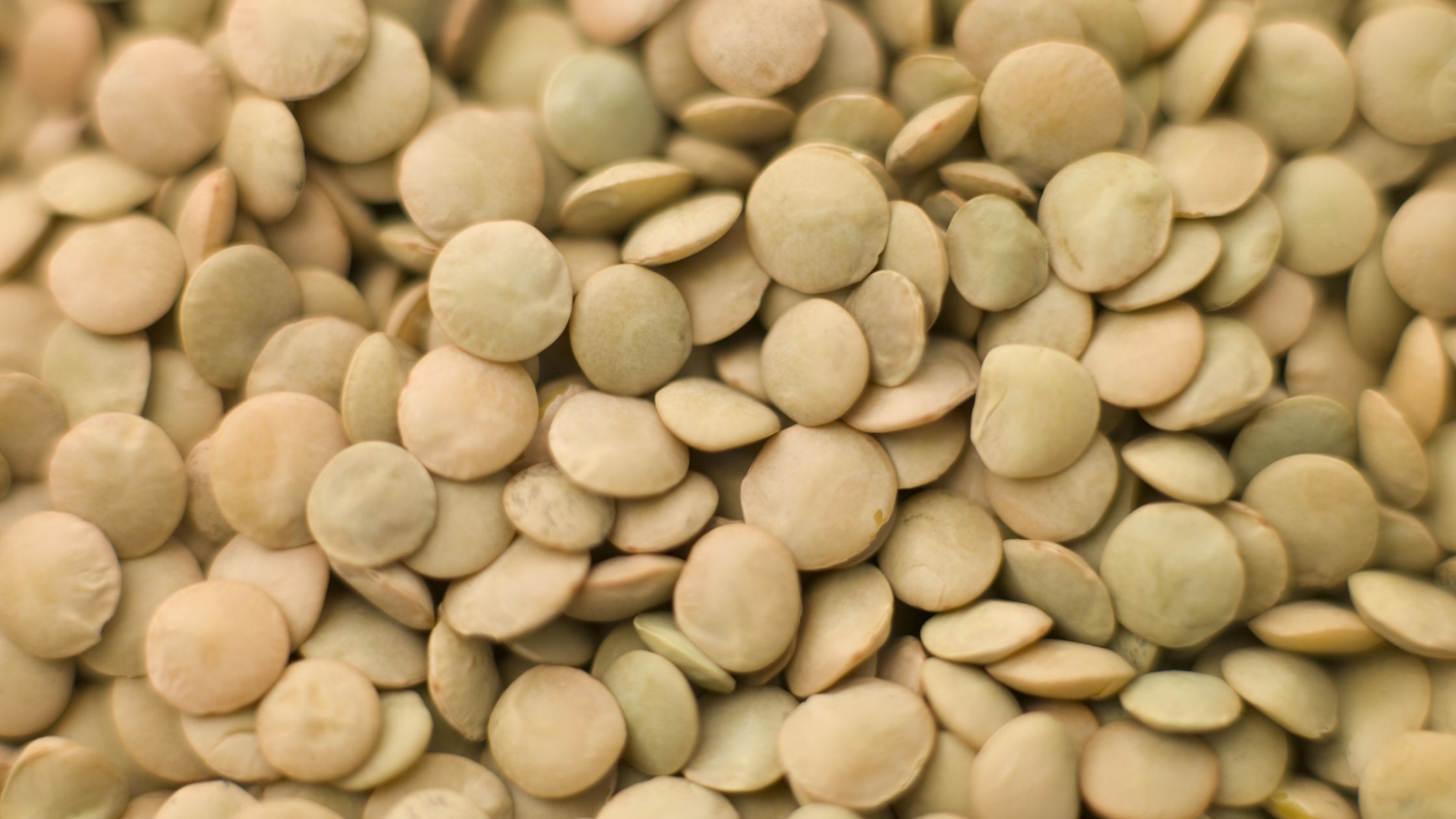
Zenith Eclipse supplies green lentils for retail packing, food service, prepared foods, canning, milling and ingredient processing. Green lentils are traded in different sizes, seed-coat appearances and processed forms, so each enquiry is matched to a measurable product description rather than a colour name alone.

The quotation states the whole, shelled or split presentation; large, small or buyer-defined size basis; governing grade or private specification; quantity; packing; shipment period; Incoterms® rule; inspection; and required documents. Origin, crop year, grade and availability are confirmed only for the offered lot.

Size method agreedAppearance and form definedLot-based quality evidenceDestination documents coordinated
PL

Applications

Green Lentils selected for the way your operation uses it.

01

Retail and wholesale packing

Whole green lentils selected for consistent appearance, size distribution, cleanliness and package presentation.

02

Salads, food service and ready meals

Large or small green lentils reviewed for intact appearance, texture and cooking behaviour against an approved sample.

03

Soups, purées and ingredient blends

Whole, shelled or split forms specified for the buyer's preparation, processing and finished-product requirements.

04

Canning and industrial processing

Lots assessed against size, damage, hydration, colour retention and processing tests when those factors are contractually required.

Contract specification

Large and small must have a measurable basis.

Green is a commercial description, not a complete specification. The contract should state cotyledon and seed-coat appearance, presentation, sieve method, grade basis, numerical limits and acceptance procedure. An official ‘other than Red’ class does not by itself identify every commercial green-lentil characteristic.

Product identity
Dried green lentils; type agreed
Presentation
Whole, shelled whole or split
Size designation
Large, small or buyer-defined
Sieve distribution
Method and tolerance agreed
Grade basis
Named official grade or private specification
Moisture
Contract maximum; method stated
Foreign material & stones
Contract limits
Peeled, split & broken seeds
Limits by presentation
Damage & discolouration
Contract limits
Contrasting colours
Contract maximum
Residues, contaminants & microbiology
Destination and end-use requirements
01

Quality control & handling

Protect colour, condition and lot identity.

Acceptance is based on representative sampling and the signed specification. Inspection can cover size distribution, colour, odour, moisture, foreign material, stones, heated or damaged seeds, staining, peeled or split content, infestation condition and any agreed food-safety tests.

Food-use lots are kept dry, clean, segregated and traceable. Storage and transport units are checked for moisture, pests, incompatible previous cargo and foreign odours, while the agreed lot reference is maintained across bags, records and shipment documents.

  • Reference sample approved when appearance matters
  • Sieve and analytical methods agreed
  • Clean and dry loading condition checked
  • Independent inspection available when contracted
02

Export documentation

Build the document set for the importing market.

The required documents depend on origin, destination, import permit, payment method and delivery term. The document matrix is agreed before shipment so required issuers, originals and additional declarations are known before loading.

The contracted set may include a commercial invoice, packing list, transport document, certificate of origin, certificate of analysis, grade or inspection certificate, weight certificate, phytosanitary certificate where required, treatment certificate when treatment occurs, insurance document and destination-specific food-safety evidence.

03

Packaging & order formats

Specify every part of the pack.

Food-suitable sacks, lined bags, flexible intermediate bulk containers or suitable bulk and containerized formats can be reviewed according to the product form, quantity, origin and route. Operational availability is confirmed in the quotation.

The contract states net weight and tolerance, material, liner, closure, printing language, lot marks, palletization or floor loading, and any agreed moisture-protection measures.

04

Logistics & Incoterms

Keep product condition and delivery scope aligned.

Transport units are inspected for cleanliness, dryness, structural condition, odour and evidence of pests or previous-cargo residue. Liners, dunnage and moisture-control measures are used only when suitable for the product, route and destination.

The written offer identifies the Incoterms® 2020 rule and exact named port or place, shipment window, transport mode, transshipment scope, inspection point, insurance responsibility and required arrival documents.

What we supply

Green lentil types and presentations

Size names and processed forms are confirmed against the actual lot and method. The written quotation controls the final product description.

01

Large green lentils

Whole lentils supplied against an agreed large-size sieve distribution and reference appearance.

02

Small green lentils

Whole lentils supplied against an agreed small-size distribution for soups, salads, blends and packing.

03

Buyer-defined size

A custom sieve distribution used when large, small or medium trade names do not provide enough precision.

04

Shelled whole lentils

Seed coat removed while the cotyledons remain joined, subject to form-integrity and appearance limits.

05

Split green lentils

Dehulled and separated cotyledons specified by colour, intact-half content, broken material and fines.

Commercial planning

What affects the delivered Green Lentils price?

A useful comparison requires the same product, scope, term and shipment period.

  1. 01Commercial type, colour and size distribution
  2. 02Whole, shelled or split presentation
  3. 03Grade basis and defect tolerances
  4. 04Cleaning, sorting, sizing and processing scope
  5. 05Origin, crop position and shipment period
  6. 06Quantity, packaging, printing and palletization
  7. 07Inspection, laboratory testing and documents
  8. 08Freight lane, Incoterms® rule and destination costs

Why Zenith Eclipse

Buying detail that reduces assumptions.

01

Measurable sizing

Large, small and custom sizes are tied to an agreed sieve method and tolerance.

02

Clear presentation

Whole, shelled whole and split lentils are described as separate commercial forms.

03

Appearance control

Seed-coat colour, cotyledon colour and reference appearance can be included in acceptance.

04

Lot-linked verification

Sampling, analysis and inspection refer to the offered lot or shipment.

05

Document discipline

Commercial, plant-health and inspection documents are mapped to the destination before loading.

06

Product-plus-freight planning

Packaging and transport conditions are reviewed with the receiving and delivery plan.

Green Lentils procurement checklist

Send a comparable RFQ.

Complete details help the sales and logistics teams return a usable commercial offer.

  • End use and destination market
  • Whole, shelled whole or split presentation
  • Green type, appearance and cotyledon colour
  • Size designation, sieve method and tolerance
  • Grade basis, moisture and defect limits
  • Quantity, packaging, labels and shipment period
  • Incoterms® 2020 rule and named place
  • Sampling, inspection, certificates and documents
Send your Green Lentils requirements

Green Lentils supplier FAQs

Answers procurement teams need before booking.

01What is the difference between large and small green lentils?+

They are measurable size distributions, not only visual descriptions. The contract should state the sieve aperture, method and minimum retained or passing percentage.

02Are green lentils the same as ‘lentils other than red’?+

Not necessarily. An official class may be based on cotyledon colour, while a commercial green-lentil requirement can also depend on seed-coat appearance, type and size.

03What is the difference between whole and split green lentils?+

Whole lentils keep the two cotyledons joined. Split lentils have the seed coat removed and the cotyledons separated; shelled whole lentils are dehulled but remain joined.

04Can cooking behaviour and colour retention be specified?+

Yes, when commercially important. The buyer should define the sample, preparation method, endpoint and acceptance criterion because results depend on the lot and test conditions.

05Can an official grade be supplied?+

A named grade can be quoted only where it applies to the origin and is supported by the agreed inspection or certificate. A grade name alone may not define type, appearance or size.

06Which packaging formats are available?+

Packaging is confirmed per quotation. Buyers should state material, liner, net weight, closure, printing, palletization and destination requirements.

07Is a phytosanitary certificate always required?+

No. The importing country's plant-health rules and import permit determine whether it is required and which official declarations must appear.

08What information is needed for a green lentils quotation?+

Send the type, presentation, size method, grade or specification, quantity, packing, destination, Incoterm, shipment window and required documents.

Internal buying routes

Plan the product and movement together.

Continue through the relevant Zenith Eclipse product or logistics page.