Integrated commodity supply & global logistics

+971 4 250 0715
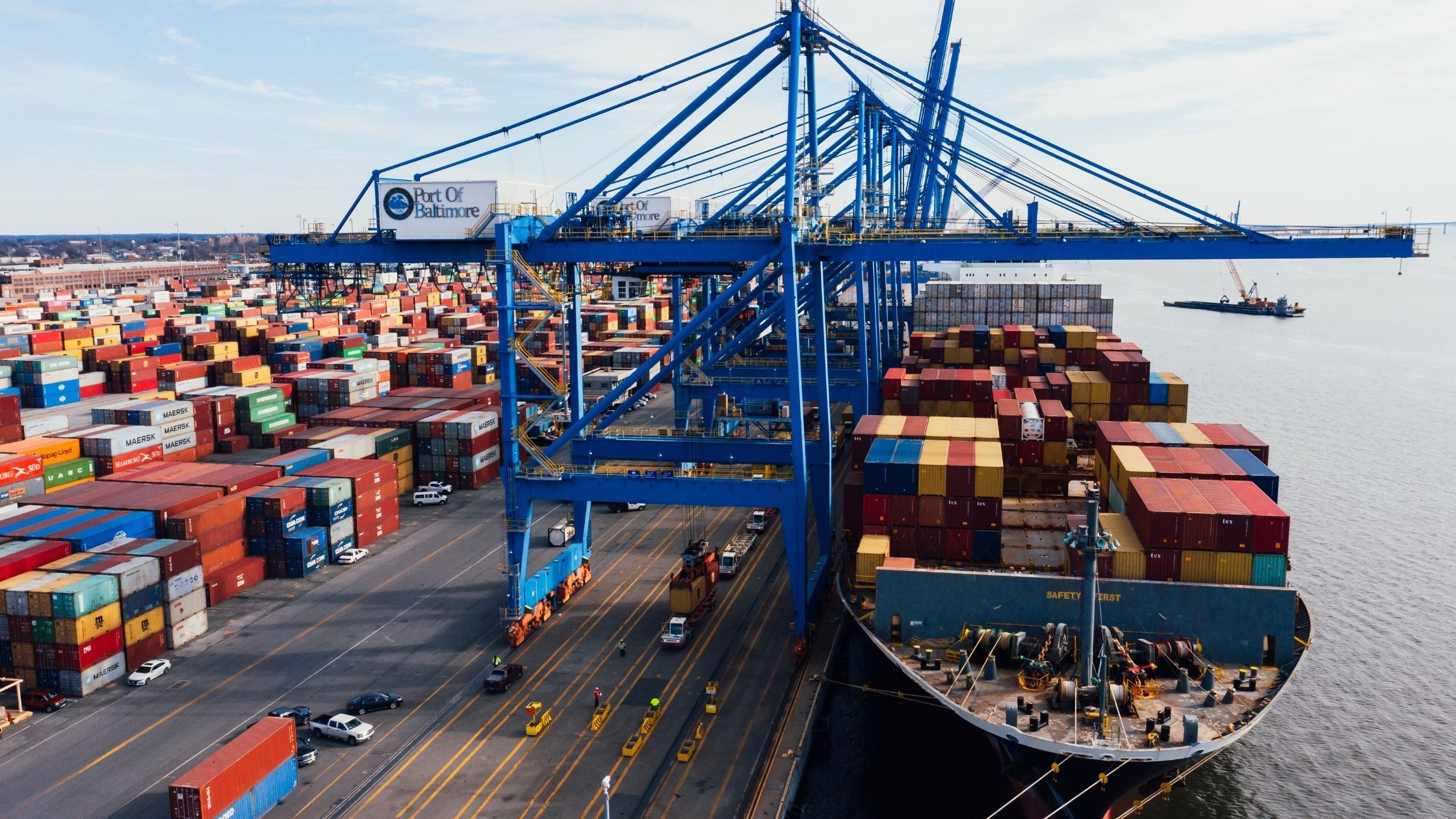
Container vessel and port cranes supporting international ocean freight
Services/International Freight Forwarding
OF

International Freight Forwarding · Ocean Freight

Ocean Freight Forwarding

FCL, LCL and conditional specialist ocean solutions planned around the cargo, equipment, sailing window, port requirements and final delivery scope.

Service reference · OF-01 · Page reviewed 28 August 2026
Request an ocean freight quote Review service scope

Service overview

Ocean freight structured around cargo, equipment and accountable handoffs.

Zenith Eclipse coordinates ocean freight for manufacturers, importers, exporters, commodity traders and distributors moving containerized, temperature-sensitive, oversized and project cargo. Services can cover port-to-port carriage or a wider origin-to-destination scope, subject to carrier, terminal, equipment, regulatory and route capability.

Each quotation identifies the cargo, shipment type, equipment, ports, planned sailing, transit estimate, origin and destination services, documentation, customs responsibilities and charge basis. Carrier schedules, equipment, space and port conditions can change; confirmed booking details and the applicable tariff govern the operational shipment.

Cargo-fit equipment planningSailing and cutoff controlDocument and VGM coordinationDestination-charge visibility
OF

Best-fit requirements

Ocean Freight designed around the operating commitment.

01

Regular containerized trade

FCL planning for repeat import and export movements that require defined equipment, sailings and receiving arrangements.

02

Smaller commercial consignments

LCL consolidation for cargo that does not require a full container, subject to consolidation, handling and destination capability.

03

Temperature-sensitive cargo

Conditional reefer coordination against the product's documented set point, ventilation, monitoring and handling requirements.

04

Oversized and project shipments

Conditional special-equipment, breakbulk or Ro-Ro review for machinery, vehicles and cargo that does not fit standard containers.

Service scope

Build the ocean-freight brief before selecting a sailing.

A useful ocean quotation must identify the commercial shipment, equipment, ports, cargo controls and local service scope. An incomplete brief can produce rates that exclude essential origin, destination, handling or specialist-cargo costs.

Cargo identity
Accurate goods description, HS code where known and intended use
Shipment format
FCL, LCL, reefer, special equipment, breakbulk or Ro-Ro review
Equipment requirement
Container type, size, payload and receiving compatibility
Quantity and dimensions
Packages, pallets, gross weight, volume and out-of-gauge dimensions
Origin and destination
Pickup place, load port, discharge port and final delivery point
Cargo-ready date
Stuffing window, terminal cutoff and required arrival period
Routing preference
Direct, transshipment or approved alternative gateways
Special controls
Temperature, dangerous-goods, value, lashing or handling requirements
Commercial scope
Incoterms® rule, customs responsibility, insurance and inland services
Document requirements
Bill-of-lading instructions, VGM, certificates, permits and destination records
01

Operating controls

Control equipment, cutoffs and cargo acceptance before loading.

The booking process checks cargo details, equipment request, carrier acceptance, planned sailing, documentation deadlines and terminal cutoffs. Requested space or equipment is not treated as confirmed until the carrier issues or reconfirms the booking.

Container packing, cargo securing, verified gross mass, dangerous-goods declarations and special-cargo instructions must be completed by the responsible qualified parties. Reefer, IMDG, OOG, breakbulk and Ro-Ro cargo remain subject to specialist review, carrier approval and terminal capability.

  • Booking, sailing and equipment status reconfirmed
  • Documentation, VGM and terminal cutoffs controlled
  • Packing and securing responsibilities identified
  • Reefer, IMDG and OOG acceptance obtained where applicable

02

Documents & evidence

One document checklist from booking to release.

Bill-of-lading instructions should match the commercial invoice, packing list, cargo description, weights, package count, shipper, consignee and notify-party details. The transport document may be issued as an original bill of lading, sea waybill or permitted electronic form according to carrier capability and the parties' commercial requirements.

Additional records can include a certificate of origin, export or import permits, insurance evidence, verified gross mass, dangerous-goods declaration, reefer instructions, inspection certificates and product-specific documents. Requirements depend on the cargo, jurisdictions, payment terms and agreed delivery scope.

03

Execution & implementation

Evaluate the full lane—not only the advertised transit time.

Routing is reviewed across pickup, empty-container release where applicable, stuffing, export terminal, main carriage, transshipment, discharge, customs coordination and final delivery. Direct services can reduce handoffs, while a transshipment option may provide different cost, frequency or equipment availability.

Sailing and arrival dates are estimates subject to carrier and port operations. Free time, storage, demurrage, detention and related terminology or calculations can vary by carrier tariff, terminal, equipment, contract and jurisdiction. The booking or quotation should identify the available terms; no universal number of free days is implied.

04

Visibility & reporting

Track operational events and the party responsible for the next action.

The milestone plan can cover booking confirmation, empty release, pickup, stuffing, gate-in, customs status, loading, departure, transshipment, arrival, discharge, availability, delivery and container return. Updates rely on data from carriers, terminals, customs brokers and inland partners.

If a vessel, port, transshipment or customs event changes, the effect on the onward plan is reviewed and communicated. Ocean visibility is event-based and does not guarantee uninterrupted live positioning or prevent schedule changes outside the forwarder's control.

Service configurations

Ocean options matched to cargo and receiving capability

The final option depends on cargo dimensions, volume, equipment, carrier acceptance, route, terminal capability and shipment window.

01

Full-container-load shipping

FCL coordination using suitable standard or high-cube equipment for cargo booked under one shipper's container movement.

02

Less-than-container-load shipping

LCL consolidation for compatible smaller consignments, with origin and destination consolidation charges clearly identified.

03

Reefer ocean freight

Conditional refrigerated-container coordination against written temperature, ventilation, monitoring and handling instructions.

04

OOG and special equipment

Conditional flat-rack, open-top or other specialist-equipment planning based on verified dimensions, weight, lifting points and carrier approval.

05

Breakbulk, Ro-Ro and project ocean

Feasibility review for machinery, vehicles, heavy units and non-containerized cargo where suitable vessels, ports and handling plans are available.

Commercial planning

What shapes the ocean freight cost?

A comparable rate needs the same cargo, route, responsibility, service level and validity period.

  1. 01FCL, LCL, reefer or specialist shipment format
  2. 02Container type, cargo weight, volume and dimensions
  3. 03Origin, destination, port pair and routing
  4. 04Cargo-ready date, sailing window and current capacity
  5. 05Origin terminal, documentation and inland services
  6. 06Destination handling, clearance and delivery scope
  7. 07Reefer, IMDG, OOG, lashing or special-handling requirements
  8. 08Carrier surcharges, free-time terms and equipment-use charges

Why Zenith Eclipse

Operational detail that reduces assumptions.

01

Mode and equipment fit

FCL, LCL and specialist options are compared against the cargo and receiver rather than selected by volume alone.

02

Transparent local scope

Origin, ocean, destination, inland and conditional charges are separated so buyers can compare offers responsibly.

03

Cutoff control

Booking, document, VGM and terminal deadlines are coordinated through a shipment-level milestone plan.

04

Special-cargo coordination

Reefer, IMDG, OOG and project requirements are routed through the applicable carrier and terminal acceptance process.

05

Document alignment

Bill-of-lading instructions, commercial records and cargo data are checked against the agreed shipment brief.

06

Connected delivery

Port carriage can be integrated with pickup, customs coordination, storage and final delivery where feasible.

Ocean Freight RFQ checklist

Send a comparable freight brief.

Complete details help the commercial and operations teams return a usable scope and rate.

  • Accurate cargo description and HS code where available
  • FCL, LCL or specialist shipment preference
  • Package count, gross weight, volume and dimensions
  • Required container or equipment type
  • Pickup point, load port, discharge port and delivery place
  • Cargo-ready date and required arrival window
  • Temperature, DG, OOG, lashing or handling requirements
  • Incoterms® rule, customs scope and document requirements
Send your ocean freight requirements

Ocean Freight FAQs

Answers procurement and operations teams need before booking.

01What is the difference between FCL and LCL?+

FCL uses a container booked for one shipper's movement, while LCL combines compatible consignments through consolidation facilities. The better option depends on volume, cargo compatibility, handling risk, timing and total origin and destination cost.

02How reliable is an ocean-freight transit estimate?+

Transit estimates are based on the planned service and routing but remain subject to vessel schedules, port congestion, weather, transshipment, customs and operational changes. The confirmed booking and subsequent carrier updates provide the current plan.

03Can ocean freight be arranged door to door?+

Yes, where the lane and local capability allow it. The quotation can include pickup, origin handling, ocean carriage, destination handling, customs coordination and final delivery with responsibilities and exclusions stated.

04Can Zenith Eclipse arrange reefer shipping?+

Eligible refrigerated cargo can be reviewed when product requirements, set point, ventilation, packaging, monitoring, equipment and terminal capability are documented. Equipment and booking remain subject to carrier confirmation.

05Can dangerous goods move by ocean freight?+

Eligible dangerous goods can be reviewed subject to correct classification, qualified packing, marking, documentation, the current IMDG Code, carrier acceptance, port restrictions and route capability. Full disclosure is required before quotation and booking.

06Can oversized cargo move by container vessel?+

Some oversized cargo can move on flat-rack, open-top or other special equipment; other units may require breakbulk or Ro-Ro planning. Verified drawings, dimensions, weight, lifting points and centre-of-gravity information may be required for feasibility review.

07What are free time, demurrage and detention?+

They relate to time-based use of terminal space or carrier equipment, but definitions and charging methods can differ by carrier, terminal, tariff and jurisdiction. The applicable booking and tariff should be checked for the exact clocks, free-time allowance and rates.

08Which documents are needed for ocean freight?+

Common requirements include commercial documents, bill-of-lading instructions and customs data. Depending on the cargo and route, VGM, certificates of origin, permits, dangerous-goods records, reefer instructions or inspection certificates may also be required.

Connected operating routes

Plan the next handoff in the same system.

Continue through the relevant Zenith Eclipse logistics or commercial page.