
Buyer guide
Buying Flaxseed in Bulk: A Seed Specification That Matches Your Use
A food ingredient buyer and an oil processor can receive offers for the same flaxseed crop and still need different contracts. The right flaxseed supplier should be assessed against the seed quality, evidence and delivery arrangement your operation requires. This guide explains how to turn those requirements into a comparable bulk enquiry.
Start with the seed and its intended use
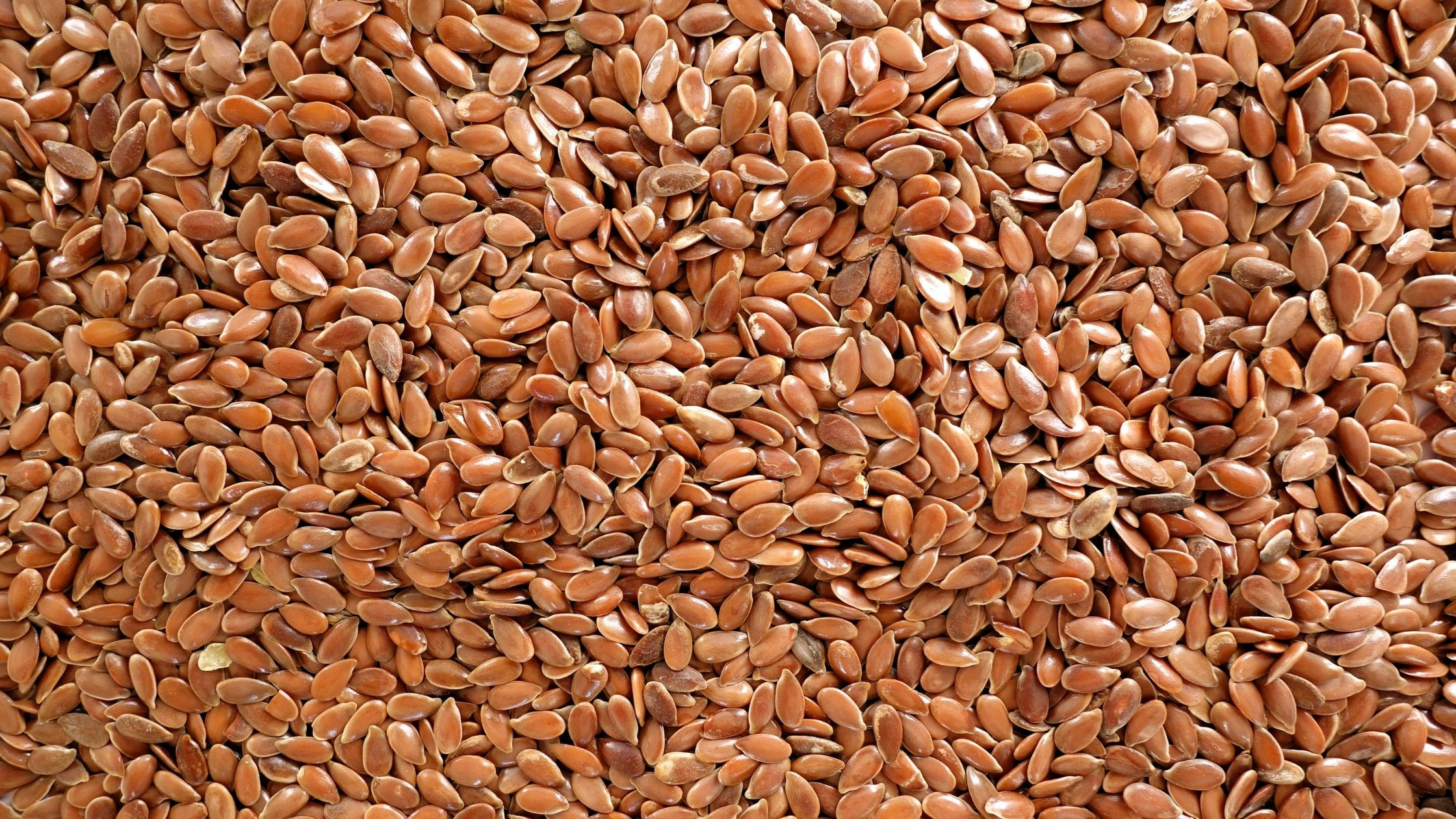
Flaxseed and linseed are alternative trading terms for the seed. Put the exact product description in the purchase order: whole seeds, the accepted colour or variety, intended application and required cleaning or processing. A request for seeds should never be answered with a specification for flaxseed oil or press cake.
Before you buy flaxseed in bulk, describe what happens after delivery. Will the seeds be packed as a food ingredient, milled in your factory or crushed for oil? Identify any processing you expect before use and who will perform it. Colour alone does not establish food suitability, treatment status or processing performance.
For planting enquiries, specify seed for sowing and obtain the relevant seed-quality and destination approvals separately. Ordinary commodity seed should not be assumed to be certified planting material.
Make purity and condition measurable
A headline purity percentage is incomplete unless both parties agree what it measures. Ask whether the result describes the cargo as received or a sample after cleaning. Define foreign material and other seeds, then state how broken, heated or otherwise damaged flaxseed is reported. Request the sampling method and a representative lot-linked result.
Compare flax seed wholesale suppliers on the complete specification below. Treat it as a checklist for negotiation, not a statement of the quality of any available lot. Agree limits appropriate to your use, receiving process and destination.
The Canadian Grain Commission evaluates flaxseed using several separate condition and contamination factors. Its dockage procedure also distinguishes material removed during cleaning. These are useful questions to ask; Canadian grade labels do not establish the grade of a Kazakhstan shipment.
| Item | What the enquiry should define |
|---|---|
| Identity and traceability | Whole seed description, colour or variety, crop year, declared origin and lot code. |
| Purity and dockage | What counts as foreign material, the cleaning basis and the sampling method. |
| Seed condition | Separate limits or reporting for broken, heated and damaged seeds, odour and infestation. |
| Moisture | The agreed maximum, test method and intended storage and transport conditions. |
| Oil analysis, when relevant | The reporting basis and test method; specify that the enquiry remains for whole seeds. |
| End-use safety | Tests and acceptance limits required by the buyer and the destination for the intended use. |
Reference: Canadian Grain Commission: flaxseed grading factors · Flaxseed dockage determination
Choose tests around food use or crushing
For food manufacturing, explain the finished application and the processing steps between receipt and consumption. Agree cleanliness, appearance and the microbiological or contaminant evidence needed for that process. Ask how treatment status and any handling segregation will be documented. A clean-looking sample is not a substitute for an agreed food specification.
For oil processors, ask bulk linseed suppliers to state the basis of their seed oil-content result. The Canadian Grain Commission reports flaxseed oil content on a moisture-free basis. A commercial offer may use a different basis, so the percentage and the method need to travel together.
If two offers quote different oil percentages, request comparable results before assigning a value premium. Laboratory oil content is not a promise of recoverable oil from your machinery. Where the purchase depends on yield or processing behaviour, agree a representative sample and a plant trial before approving repeat supply.
Reference: Canadian Grain Commission: oilseed methods and tests
Check the supplier and the proposed lot separately
When assessing bulk flaxseed suppliers, establish the legal contracting party, where the goods will be loaded and who controls the proposed lot. Ask for a current specification, a sample certificate of analysis and an explanation of how the final shipment will be identified. A company introduction and a lot-specific inspection answer different questions.
For a flaxseed supplier in Kazakhstan, distinguish the country of dispatch from the country where the seeds were grown. Request origin evidence for the offered cargo and ensure the invoice, packing information and quality documents can be reconciled. Do not treat an office address as proof of crop origin.
If a certification is material to the order, request the current certificate, its issuing body, covered entity and scope. Check it against the transaction. Agree who takes samples, who pays for any independent inspection and what happens if the tested lot differs from the approved sample.
Match packaging to the receiving operation
Ask which bag, big-bag or bulk format can be offered for the specific order. Specify the net weight, food-contact suitability where relevant, liner needs, closure, pallet arrangement and lot marking. Check how the receiver will unload, store and transfer the seeds; a cheaper pack can create extra handling at destination.
Agree how the cargo will be protected from moisture, contamination and incompatible surrounding goods. Request loading-condition records and a clear seal or package identification procedure. Decide whether cleaning will occur before export or at your plant, and price that responsibility explicitly.
Before confirming a repeat programme, compare the same delivered scope: seed specification, packaging, net weight, inspection, transport term and destination charges. Ask for the offer validity and a shipment window supported by the proposed order, rather than assuming that previous availability still applies.
Prepare a Kazakhstan export enquiry that can be answered
A flaxseed exporter needs more than the product name and a destination country. Send a single brief covering the details below and ask for missing information to be identified before a firm offer is issued.
For dispatch from Kazakhstan, confirm whether phytosanitary certification applies to the product and destination. The government export service considers importing-country requirements. Agree responsibilities for the invoice, packing list, transport document, origin evidence and any required certificates before loading; the document set is shipment-specific.
- Whole flaxseed or linseed, required colour or variety, intended use and processing expectations.
- Quantity for the first order and any separate forecast for repeat purchases.
- Quality limits, sampling method, oil-analysis basis where relevant and required test evidence.
- Preferred pack format, unloading arrangements and delivery address or named destination.
- Requested shipment window, trade term and named place, plus destination document requirements.
Reference: Kazakhstan government: phytosanitary export certification
Buyer questions
Are flaxseed and linseed different products?
The terms are often used for the same seed in trade. Confirm whole seeds, variety or colour, treatment status and intended use in the contract, because a name alone does not define a grade or processing suitability.
Does a high purity percentage mean the seeds meet every requirement?
No. Ask what the percentage includes and how the sample was cleaned. Moisture, damage, other seeds, food-safety requirements and traceability need their own agreed checks.
Which oil-content basis should a processor request?
Ask for the basis your purchasing and production teams use, with the laboratory method stated. Have offers recalculated or retested on a comparable basis where necessary. Agree a processing trial if recoverable yield is critical.
Can a buyer assume Kazakhstan origin from the dispatch address?
No. Request origin evidence for the actual lot and reconcile it with the commercial documents. The location of a seller or loading point does not establish where the seeds were grown.
Discuss your requirements
Build your enquiry around the seeds you need.
Send Zenith Eclipse your intended use, seed specification, quantity, preferred packaging and destination. Request a proposal that identifies the offered origin, quality evidence, document responsibilities and shipment assumptions.