
Buyer guide
Wholesale Sunflower Meal: Protein, Fibre and Buying Checks
Wholesale sunflower meal offers can look similar while describing materially different feed ingredients. Hull level, extraction method, protein, fibre, residual oil and the basis used for each result all affect how a buyer should compare a lot. This guide shows procurement teams what to confirm before asking a supplier or exporter for a shipment-specific offer.
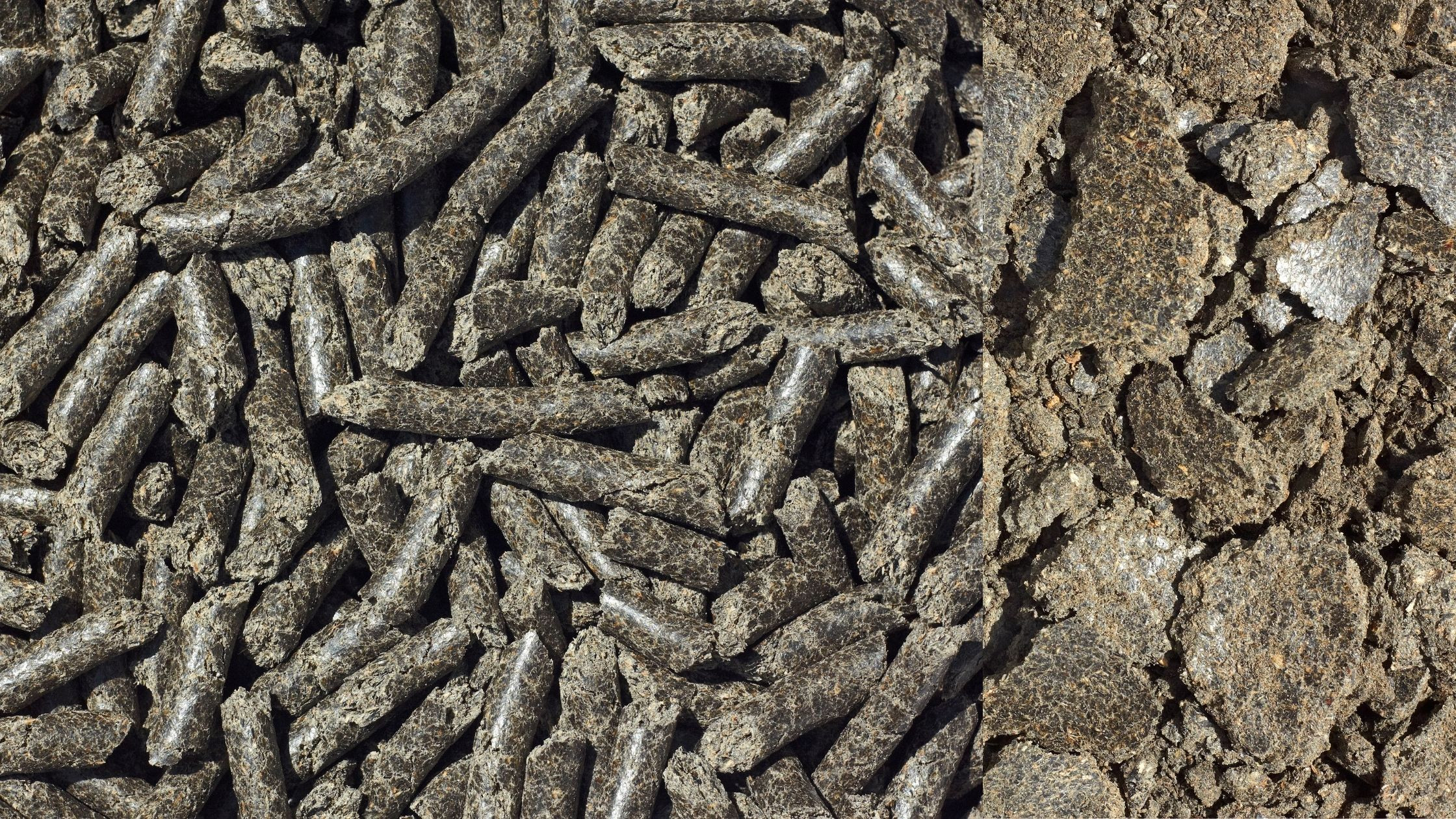
Define the product before comparing wholesale offers
Sunflower meal is the solid feed material left after most of the oil has been removed from sunflower seed and the resulting material is prepared for sale. The USDA Agricultural Marketing Service notes that the protein percentage and manufacturing process should be identified when sunflower meal is sold. A wholesale sunflower meal enquiry should therefore state more than the product name.
Ask whether the material is solvent-extracted or mechanically extracted, and whether it is conventional, partially dehulled or dehulled. Confirm whether the offer describes meal, expeller meal or cake, because market wording can vary. The contract description, specification and certificate of analysis should all refer to the same product.
Reference: USDA AMS: Livestock, Poultry and Grain Feedstuffs Terms
Compare protein, fibre and hull level together
Dehulling generally lowers fibre and increases the protein concentration of the meal, but a grade label does not guarantee a particular result. Feedipedia reports wide variation driven by hull content and extraction method. Treat values in reference tables as context and use the proposed lot's own analytical results for purchasing.
A high-protein sunflower meal should be defined by an agreed minimum protein level and compatible limits for fibre, moisture and residual oil, with every value stated on the same analytical basis. If one offer is reported as received and another on a dry-matter basis, convert them to a common basis before comparing price or nutritional value.
| Offer wording | Confirm in writing | Why it matters |
|---|---|---|
| Conventional or non-dehulled | Hull level, protein, fibre, moisture and extraction method | More retained hull can materially change fibre and nutrient concentration. |
| Partially dehulled | Actual analytical limits and the basis used for every result | The label alone does not define a universal protein or fibre grade. |
| Dehulled or high-protein | Minimum protein, maximum fibre, lot COA and sampling method | A buyer needs measurable acceptance criteria, not only a marketing term. |
| Expeller or mechanically extracted | Residual oil, heat history, protein and physical form | Extraction method can change oil, energy and protein characteristics. |
Reference: Feedipedia: Sunflower meal
Evaluate a dehulled sunflower meal supplier by evidence
A dehulled sunflower meal supplier should be able to connect the offered grade to a defined manufacturing process and a lot-specific quality record. Request a recent certificate of analysis and confirm who sampled the material, when it was tested, which methods were used and whether the sample represents the cargo being offered.
Agree the required parameters before price comparison. Depending on the buyer's formulation, storage plan and destination rules, the schedule may cover crude protein, crude fibre, moisture, residual oil or fat, ash, particle form, foreign matter and relevant safety criteria. Do not assume that a standard supplier sheet includes every requirement for the intended market.
- State whether analytical limits are on an as-received or dry-matter basis.
- Identify the lot, production period and proposed shipment quantity.
- Confirm whether the offer is meal, cake or expeller meal and record the extraction route.
- Set the inspection, retained-sample and claims procedure in the contract.
Match the lot to the feed formulation
Do not choose a sunflower feed meal supplier from protein alone. Fibre, residual oil, amino-acid balance, physical form and variability between lots also affect formulation decisions. Feedipedia advises using the actual analytical composition of the batch instead of relying only on table values.
FAO material notes that sunflower meal can be low in lysine for pig and poultry diets and that dehulling is important when higher protein concentration is required. The buyer's qualified nutritionist or feed formulator should decide suitability and inclusion based on the complete ration, animal category, local rules and verified lot analysis; a supplier's sales grade is not a feeding recommendation.
Reference: FAO: Protein Sources for the Animal Feed Industry
Make sunflower meal exporter quotations comparable
Ask every sunflower meal exporter to quote the same product description, specification, quantity, packaging, destination, shipment window and delivery term. Record currency, payment terms, offer validity, load point, declared origin and any minimum order or tolerance. A lower price is not directly comparable if the analytical basis, loading scope or delivered quantity differs.
Name the Incoterm edition and exact place or port. Confirm responsibility for export and import documents, inspections, transport, insurance where applicable, terminal costs, discharge and destination clearance. For bagged cargo, define bag material, net weight, marking and pallet requirements; for bulk cargo, confirm the loading, hold-cleanliness and receiving arrangements.
Set sampling, documents and acceptance before shipment
Create a shipment document list with the supplier and the buyer's import adviser. It may include the commercial invoice, packing or weight list, transport document, certificate of origin, certificate of analysis, inspection report and any destination-specific feed or sanitary documents. Requirements depend on the cargo and route, so confirm them before loading.
The contract should state where quantity and quality are determined, who appoints the surveyor, how samples are sealed and retained, and how quickly a discrepancy must be reported. At receipt, match seals, lot references, weights and documents to the agreed shipment. Clear acceptance rules protect both sides and make the next order easier to specify.
Buyer questions
What is the difference between sunflower meal and sunflower cake?
Both terms can describe material remaining after sunflower oil extraction, but usage varies by market and process. Cake often refers to mechanically pressed material with more residual oil, while meal commonly refers to more extensively extracted material. Confirm the manufacturing method, residual oil and contract description instead of relying on the name alone.
Does dehulled sunflower meal always have high protein?
Dehulling usually reduces fibre and concentrates protein, but the actual result varies. Define high-protein sunflower meal with contractual protein and fibre limits and verify the proposed lot through an agreed certificate of analysis and sampling method.
Is “high protein sunflower oil” the same as high-protein sunflower meal?
No. Sunflower oil is the extracted oil and is not purchased by protein content. Buyers using the phrase “high protein sunflower oil” generally mean high-protein sunflower meal, the solid feed ingredient remaining after oil extraction.
What should I send with a wholesale sunflower meal enquiry?
Provide the intended feed application, target protein and fibre limits, residual-oil and moisture requirements, analytical basis, quantity, packaging, destination, delivery term, shipment window and required documents. Ask the supplier to identify the process, origin and lot evidence in the offer.
Discuss your requirements
Prepare a shipment-specific sunflower meal enquiry
Send your target protein, fibre, moisture and residual-oil limits, analytical basis, quantity, packaging, destination and shipment window to discuss an offer matched to your requirements.