
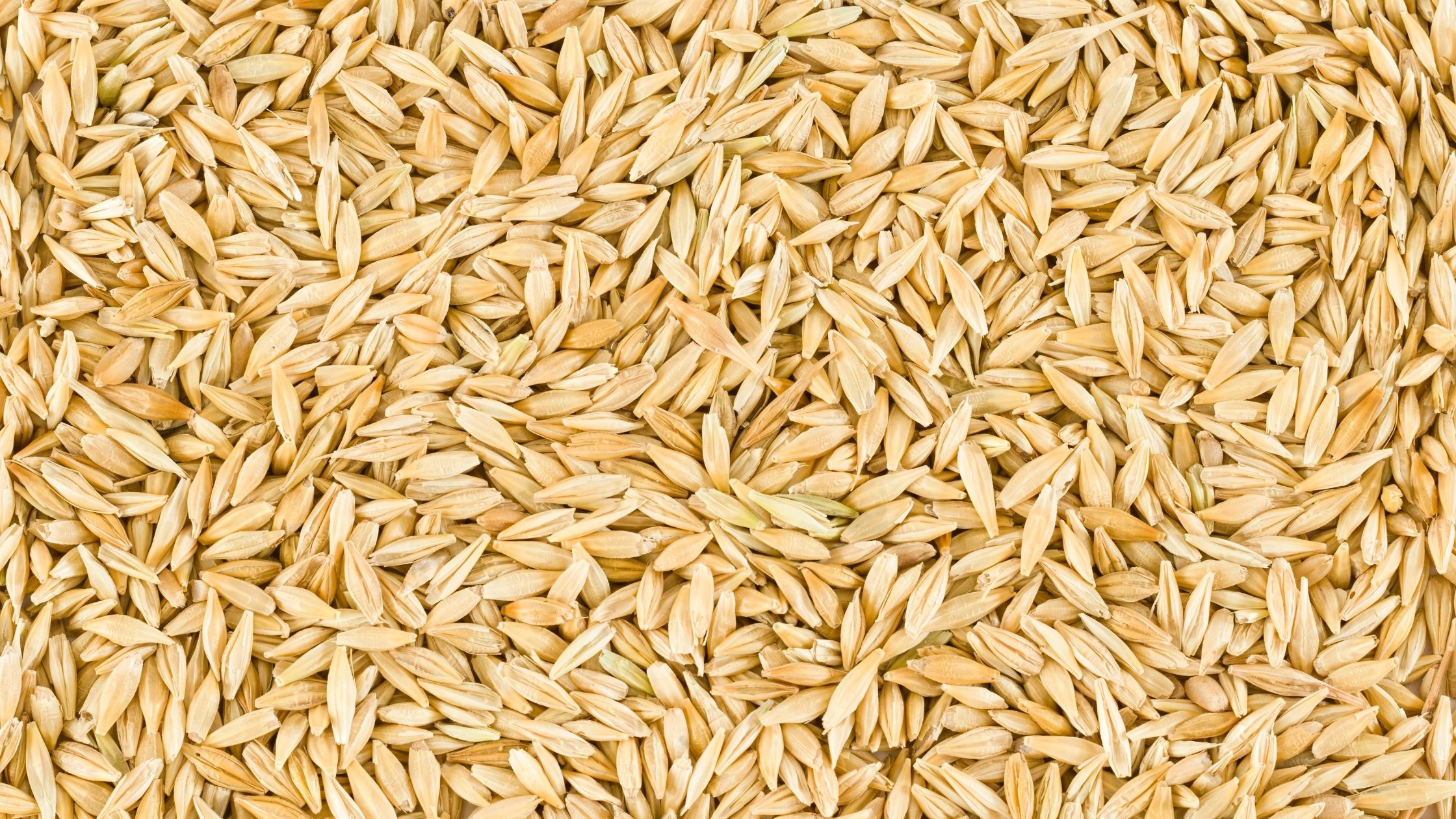
1) Choose the right Kazakhstan barley for your production program
Most bulk buyers fall into three categories:
Kazakhstan malting barley (brewing / distilling supply chains)
Kazakhstan malting barley is selected for kernel plumpness, uniformity, germination potential, and controlled protein. Buyers typically align barley type with brewing and distilling requirements where extract potential, lot consistency, and process stability matter.
Kazakhstan feed barley (livestock and poultry rations)
Kazakhstan feed barley is mainly purchased for predictable nutritional value, manageable fiber, and dependable supply. Screenings, foreign matter, and moisture matter because they influence usable tonnage, handling performance, and downstream milling or ration consistency.
Kazakhstan food-grade barley (ingredients, cereals, bakery)
Kazakhstan food-grade barley is purchased for ingredient use in cereals, bakery, milling, and food-processing applications. Cleanliness, traceability, and food-safe handling matter most, especially when buyers require tighter foreign matter limits and more controlled lot quality.
2) The bulk Kazakhstan barley “non-negotiables”: specs you must lock before booking
To keep production stable, you want your supply to match the contract—not just “good barley.”
Here are the parameters that matter most in bulk procurement:
- Moisture (storage safety + processing stability)
- Protein (especially important for malting performance and end-use consistency)
- Test weight / hectoliter weight (strong indicator for kernel density and usable quality)
- Screenings (small/broken kernels that directly affect yield and handling)
- Foreign matter (directly impacts cleaning losses, safety, and downstream risk)
Why screenings are so important: screenings directly affect usable yield, grading, and consistency. High screenings can reduce performance in malt, feed, and food-processing programs and create disputes if not clearly contracted.
Important: your web page is correct to keep values “as agreed.” In B2B, publishing “typical” numbers can attract the wrong inquiries and create disputes. Put actual thresholds only in the RFQ/contract.
3) Contracted specs + lot segregation (how serious suppliers prevent “mix problems”)
Bulk Kazakhstan barley failures usually happen when suppliers blend lots casually or load from mixed storage. The best practice is:
- Contract spec confirmation before booking
- Lot discipline (segregated lots)
- Sampling + pre-load checks
- COA per lot (not one generic COA for everything)
Lot segregation matters most when you:
- run repeat shipments monthly,
- have fixed production formulas,
- or operate supply programs for different customers.
4) Cleaning/grading before loading: pay for it once, not at destination
Cleaning and grading reduce foreign matter and help protect consistency. It also reduces:
- handling losses,
- contamination risk,
- and surprise “out of spec” issues at discharge.
A strong supplier will explain what is cleaned/graded, and how that ties to your screenings limits, foreign matter tolerance, and contractual quality expectations.
5) COA + export documents: what you should request per shipment
Your landing page is right: docs are destination-dependent. Still, most bulk Kazakhstan barley shipments commonly involve:
- Commercial invoice
- Packing list (especially for bagged/big bag shipments)
- Certificate of Analysis (COA) per lot
- Certificate of origin (often required by customs or banks)
- Transport documents (e.g., Bill of Lading for ocean)
- Phytosanitary certificate when required by the importing country
If you export to/through certain jurisdictions, plant health authorities may require specific documents and checks for phytosanitary certification.
Practical tip: Ask your supplier to confirm the “final doc set” at RFQ stage so you don’t discover missing documents after arrival.
6) Bulk, containers, or bags: pick the shipment format that fits your operation
A professional Kazakhstan barley supplier should offer multiple formats:
A) Bulk vessel lots
Best for large processors and steady throughput. Requires strong coordination on:
- loading window,
- port readiness,
- draft restrictions,
- discharge capacity,
- and inspection requirements.
B) Full container loads (bulk or bagged)
Best for flexible buyers, multi-destination distribution, or smaller volumes per origin.
C) Bagged options (25 kg/50 kg sacks or big bags)
Ideal for distributors, ingredient processors, or when customer packaging/handling needs are strict.
Packaging options buyers search for most: 25 kg 50 kg Kazakhstan barley bags, plus jumbo/big bags—so make sure your blog and FAQ repeat these phrases naturally.
7) Incoterms that work in Kazakhstan barley trade: FOB, CFR, CIF, DAP
Incoterms define who pays, who manages steps, and when risk transfers.
Here’s how buyers typically use them in bulk grain:
FOB
Common when the buyer controls freight and wants maximum visibility from origin point.
CFR / CIF
Common when the seller arranges main carriage. CIF includes seller-arranged insurance at a standard level unless upgraded by agreement.
DAP
Popular when buyers want a delivered price to a named place (often for projects, inland delivery points, or when the buyer prefers fewer moving parts). Under DAP, delivery is made ready for unloading at the named destination.
What to include in your quote (to increase conversion):
- chosen Incoterm (FOB/CFR/CIF/DAP),
- inspection option,
- delivery milestone updates (booking → loading → departure → ETA → arrival).
8) Third-party inspection: when you should add it
Inspection is not always needed, but it’s smart when:
- you’re buying from a new supplier,
- your contract specs are tight,
- your destination customs is strict,
- or you’ve had past quality disputes.
If you want premium buyers, write this clearly:
- “Independent inspection can be arranged on request.”
That line removes buyer fear without forcing cost on every deal.
9) What affects bulk Kazakhstan barley price (and how to avoid bad comparisons)
Buyers often compare offers that are not comparable. Price moves based on:
- Barley type (malting vs feed vs food-grade)
- Spec level (protein, moisture, screenings, test weight, foreign matter)
- Origin availability and shipment position
- Seasonality and shipment window
- Freight market + Incoterms (FOB vs CFR vs CIF vs DAP)
- Packaging format (bulk vs 25/50 kg sacks vs big bags)
- Sampling/inspection scope
- Destination document rules and compliance requirements
Best practice: Ask for a quote that is “spec-matched” so you can compare suppliers fairly.
10) Typical buyer profiles (who this supply model is built for)
This is the exact audience your page already targets—keep it and expand it in blog format:
- Breweries and malt supply chains
- Feed mills and integrators
- Cereal, bakery, and ingredient processors
- Grain traders, importers, distributors
- Grain blenders and packers
- Food manufacturers using barley-based ingredients
Procurement checklist (copy/paste RFQ template)
To speed up procurement and get accurate offers, send this in your inquiry:
- Barley type + target specification
- Quantity + shipment format (container/bulk)
- Packaging (bulk, 25 kg, 50 kg, big bags)
- Destination port/city + delivery point
- Incoterms + shipment window
- Inspection request (if any)