
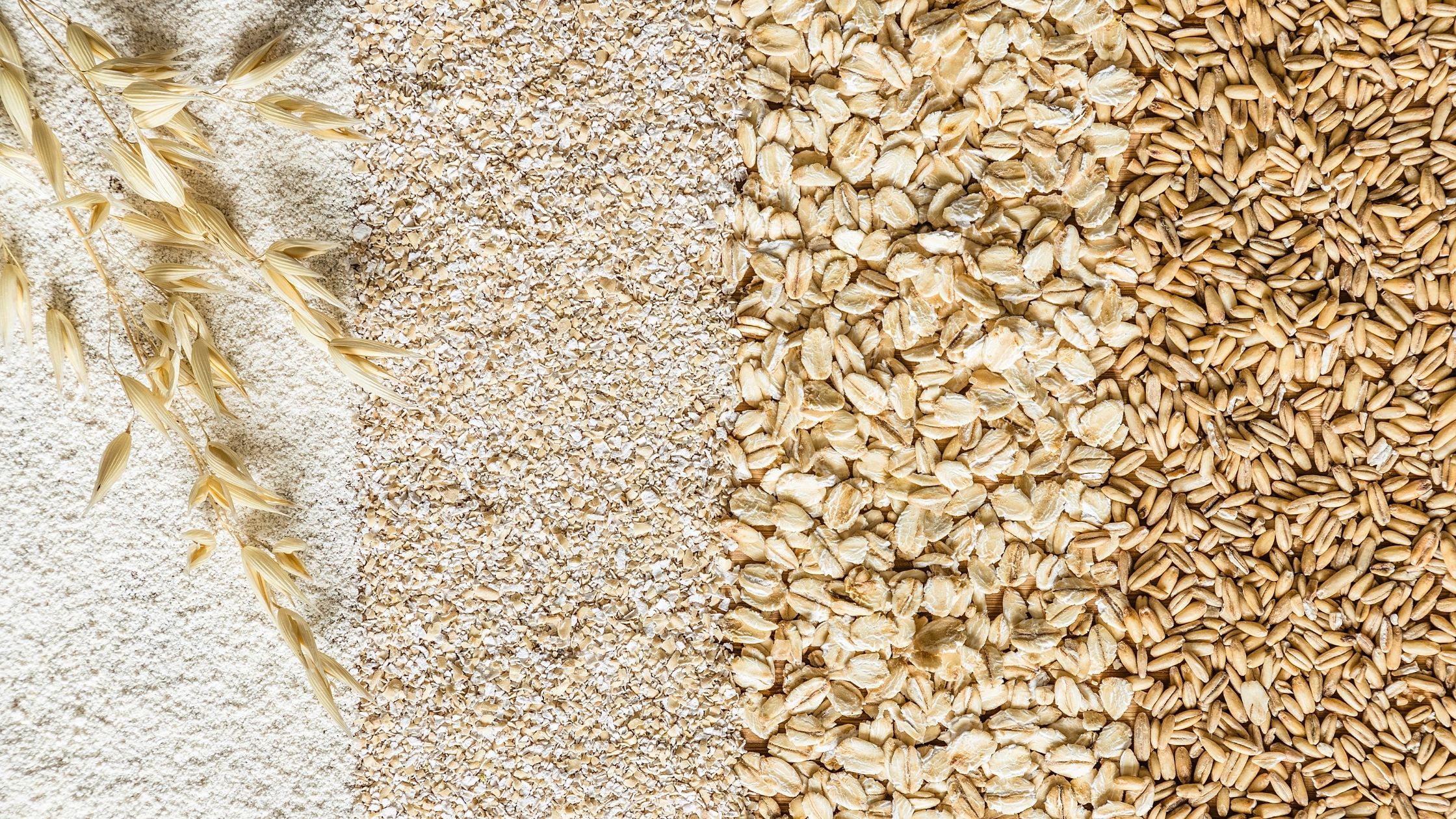
Choose the right form
Groats, steel-cut oats, rolled flakes, instant oats, bran and feed oats behave differently. Define flake thickness, density, breakage tolerance or cut profile before comparing offers.
Lock the contract specification
Moisture, protein, beta-glucan, test weight, purity and foreign matter should reflect the end use. For flakes, add density, thickness and breakage controls.
Protect lot consistency
Use segregated lots, cleaning and grading, controlled storage, traceable sampling and a COA tied to the actual lot shipped.
Plan documents and controls
Confirm invoice, packing list, origin, phytosanitary and transport documents at RFQ stage. Add third-party inspection when the program or destination requires it.
Select shipping and packaging
Choose FCL or bulk, then match bulk, big-bag or 25/50 kg packaging to discharge and warehouse equipment. Align the offer under FOB, CFR, CIF or DAP.
Compare like with like
Price comparisons are meaningful only when product form, specification, packaging, Incoterm and shipment window match.
Procurement checklist
Send product form or grade, target specifications, quantity, shipment format, packaging, destination, Incoterm, shipment window, inspection needs and required documents.
- Compare only matched specifications
- Tie the COA to the shipped lot
- Confirm destination documents before dispatch
- State packaging and Incoterm in every offer