
Buyer guide
Barley Buying Guide: Feed, Food and Malting Requirements
A barley enquiry should begin with the intended use: animal feed, food processing or malting. That decision shapes the specification, supporting documents and shipment proposal.
Enquiries described as Russian barley or Black Sea barley still need those details. A country or trading-region name cannot establish a lot’s quality, suitability or availability. The practical starting point is a clear product description matched to the receiving plant’s requirements.
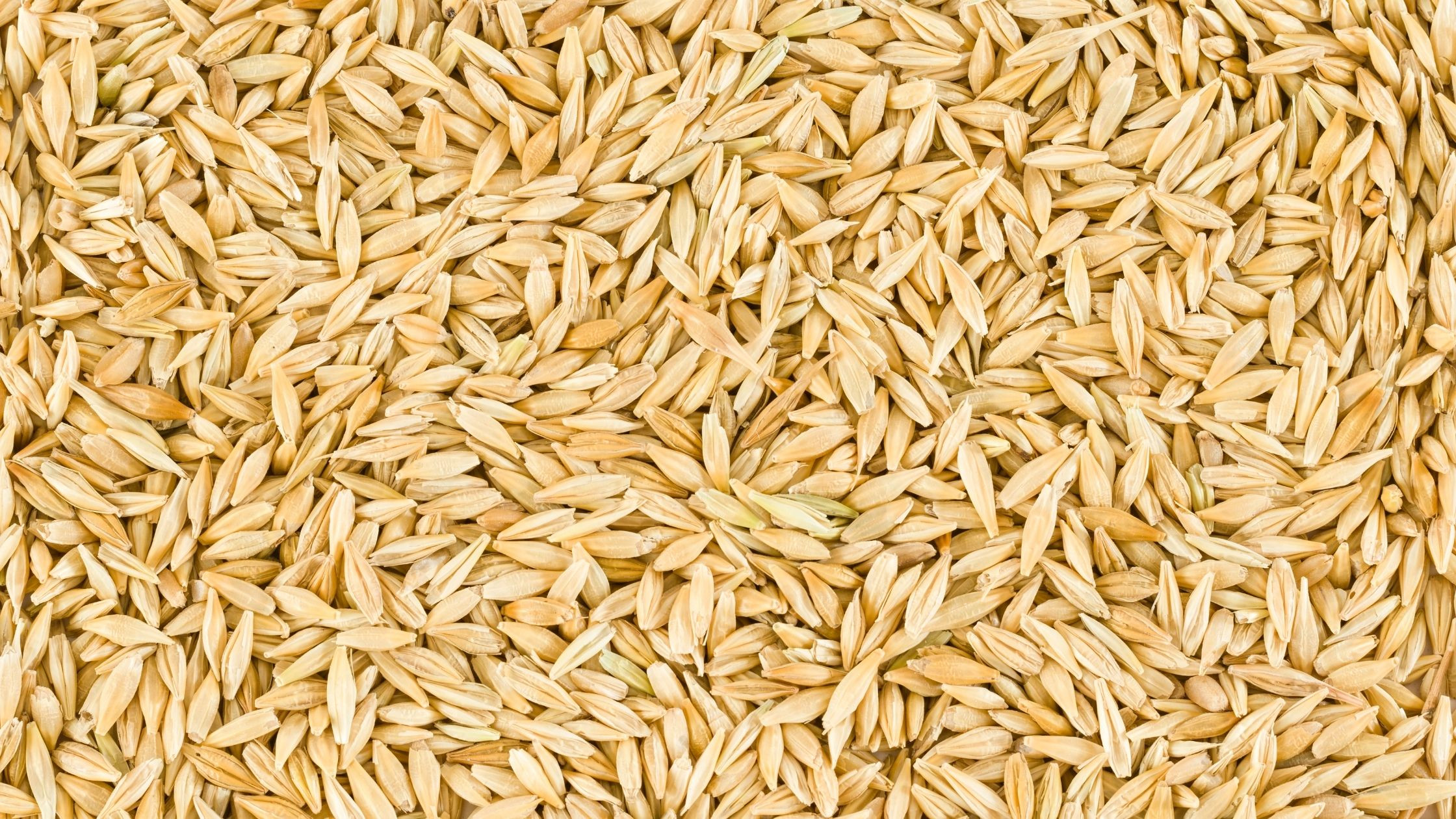
Begin with the intended use
Feed barley. For Feed Barley, state the intended application and product form. Ask the nutritionist or feed mill to define nutritional and physical acceptance criteria. Confirm moisture, protein reporting basis, foreign material, screenings, damaged kernels and applicable contaminant tests. Identify the grading system and limits behind any “feed grade” description.
Food barley. Food Barley enquiries should distinguish grain for processing from finished ingredients. Confirm covered or hulless barley, cleaning and further processing requirements. Agree appearance, uniformity, the receiving factory’s quality criteria and destination-specific documents and tests.
Malting barley. Malting Barley buyers should identify an accepted variety, varietal purity and the maltster’s specification. Request germination results with the method and test date, alongside protein and kernel-size information. Germination energy describes performance under defined conditions; an unspecified “germination” percentage is insufficient. Obtain germination capacity or water sensitivity tests separately when required.
The Canadian Grain Commission’s barley methods illustrate why methods matter: germination is measured under controlled conditions, plumpness uses specified screens, and protein is reported on a defined moisture basis. These are technical references, not default contract rules for another origin.
Reference: Feed Barley · Food Barley · Malting Barley · Canadian Grain Commission’s barley methods
Russian Barley: What Buyers Should Verify
When assessing a Russian barley supplier’s offer, request the proposed country of origin, crop year, exact product description and lot reference. Establish the seller’s legal identity and its role in the transaction. A seller, producer, storage operator and exporter may be different parties.
Identify the loading point and connect the analysis or inspection report to the proposed goods. Ask whether it represents a specific lot or only an indicative specification. Confirm the origin evidence and destination documents required before loading.
“Black Sea barley” can describe a broad trading context; it does not identify one country of origin. Likewise, a supplier’s office or an export port does not by itself prove where the crop was grown. Resolve these details openly before contract confirmation. References to suppliers in market discussions do not establish a Zenith Eclipse supplier relationship.
Build a quality checklist that can be checked
Use the following framework to record requirements and evidence. Each limit should come from the agreed contract and destination requirements, rather than an assumed universal barley specification.
Moisture measures water content. Protein percentages need a common reporting basis before comparison. Test weight measures the mass of a defined grain volume; plumpness measures the proportion retained on specified screens. Foreign material covers defined extraneous material, while screenings depend on the separation method. Agree these definitions and damaged-kernel criteria so results are comparable.
For a deeper explanation of individual measurements, use the Barley Quality Tests guide.
| Buyer requirement | Information to request | Document or confirmation needed |
|---|---|---|
| Intended use | Feed, food or malting; required product form | Buyer’s specification and seller’s acceptance |
| Moisture | Result, unit, method and sampling date | Lot-linked analysis report |
| Protein | Percentage, moisture basis and analytical method | Report using the agreed basis |
| Test weight | Result, unit and measurement procedure | Quality report with method identified |
| Cleanliness | Foreign material and screenings, with definitions | Agreed limits and lot-specific results |
| Kernel condition | Damaged kernels; size distribution or plumpness | Defined defect criteria and screen method |
| Malting performance | Variety, germination tests and test date | Maltster’s acceptance criteria and reports |
| Contaminants | Required analytes and destination limits | Relevant laboratory results |
| Identity and origin | Crop year, lot reference and declared origin | Traceability and applicable origin documents |
Reference: Barley Quality Tests
Comparing Russian, Kazakhstan and Other Barley Offers
Compare offers against one buyer specification. A Russian feed barley offer and a Kazakhstan barley offer are only meaningfully comparable once product use, quality basis, quantity and delivery conditions align. No origin should receive an automatic quality or price ranking.
Record the specification, crop year, documents, loading point, shipment window, packaging and named delivery place. Highlight exclusions: a lower quote may cover a different transport leg, omit a test or use different acceptance terms.
Agree the sampling procedure, quality acceptance point and process for resolving a disputed result before shipment. A pre-shipment sample is useful only when its identity and relationship to the consignment are clear.
Prepare the quotation and shipment brief
Send intended use, quantity, destination, shipment period and packaging or bulk format. Include the specification, document checklist and delivery terms with the named port or place. Indicate one shipment or a planned series.
Road, rail, ocean or combined transport may be considered after the origin, loading facility, destination and carrier conditions are known. Ask for the proposed routing and handling stages, without treating an indicative option as a confirmed service. Explore End-to-End Logistics when the enquiry needs coordinated transport planning.
Reference: End-to-End Logistics
Working with Zenith Eclipse
Zenith Eclipse supports B2B commodity enquiries based on the required product specification, quantity, destination and delivery conditions. Any proposed origin, supplier, shipment arrangement and payment structure must be confirmed for the individual transaction.
This article provides general purchasing information. References to a country, product type or transport option do not constitute an offer, confirmation of current availability or approval of a transaction. Any proposed business is subject to applicable legal, sanctions, banking and destination requirements.
Buyer questions
What should buyers check in a Russian barley offer?
Check the origin, seller identity, crop year, product use, lot-specific quality results, loading point and required shipment documents. Confirm that all commercial and documentary details describe the same proposed goods.
How should feed, food and malting barley enquiries differ?
Feed enquiries follow the receiving mill’s needs. Food enquiries specify the ingredient and processing requirements. Malting enquiries also require the maltster’s variety and germination criteria.
How can buyers compare barley from different origins?
Use equivalent specifications, reporting bases, document requirements and delivery terms. Assess the proposed lots and transaction conditions rather than relying on a country label.
What information is needed for a bulk barley quotation?
Provide intended use, specification, quantity, destination, packaging or bulk format, shipment period and preferred delivery terms. Include any required origin and documents.
Discuss your requirements
Request a Barley Quote
Send your intended use, quantity, barley specification, destination, packaging and shipment period so the proposed transaction can be assessed.